From Baku’s stalemate to Belém’s horizon:
Fourth Dolomite Conference calls for pragmatic innovation
Climate change is simply another name for what we used to call the future. It has been the most powerful reason to bring the future (and our closest surroundings) back into our calculations of what is convenient and what is not. Yet, we have not seized this opportunity, as we continue to rely on metrics and institutions conceived for a different century. Still, the climate crisis remains the most powerful trigger for innovation.
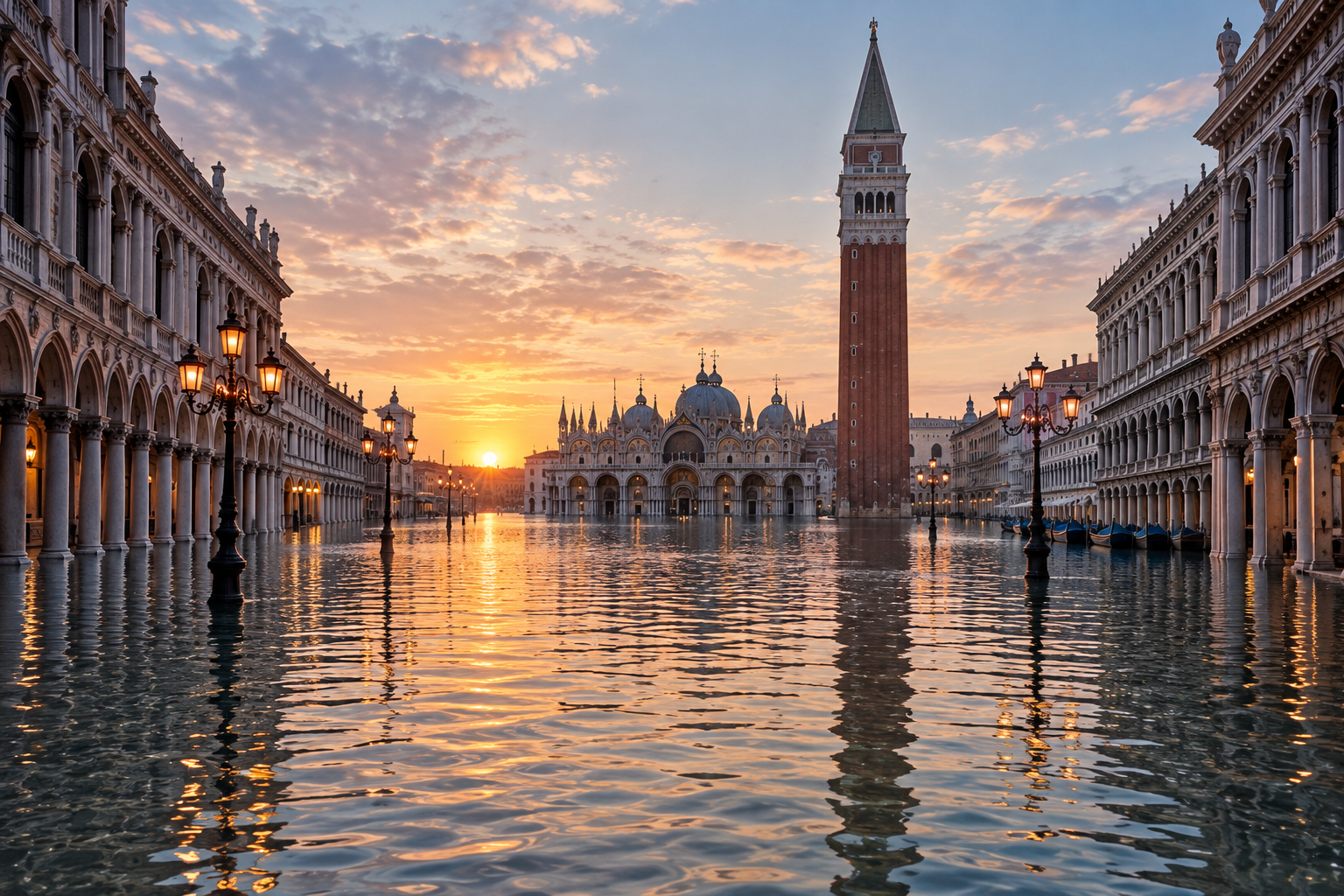
Three years after its first edition, the Dolomite Conference on Global Governance of Climate Change returns in 2025 with renewed urgency and a new location: Venice. Long admired for its beauty yet emblematic of global vulnerability, the city offers a fitting backdrop for a world confronting the accelerating consequences of climate change.
The international context has grown more complex since the last conference. COP29 in Baku (2024) concluded amid frustration: despite limited progress on adaptation finance, no agreement was reached on phasing out fossil fuels, and disagreements over the Loss and Damage Fund left developing nations disheartened. Now, in 2025, global temperatures are already 1.6°C above pre-industrial levels — making clear that the 1.5°C threshold is no longer a distant target, but a reality surpassed. Meanwhile, shifting political dynamics — the United States’ partial withdrawal from the Paris Agreement framework, Europe’s backlash against the Green Deal, and rising voter skepticism — have turned climate policy into a source of geopolitical tension. Yet this turbulence may also reignite ambition, opening new space for pragmatic and innovative leadership.
Against this backdrop, the 2025 conference embraces the theme “Sustainability as a Strategic Lever,” emphasizing that climate action is not only a moral imperative but also an economic necessity. From the European automotive sector to global trade logistics, discussions will focus on how sustainability can drive innovation, resilience, and competitiveness. Acting as a pre-COP hub, the Venice meeting will channel concrete proposals into the Belém negotiations.
Through the consolidated Problem Setting–Solving Groups method (PSSGs) — collaborative workshops led by industry experts and supported by PhD teams from leading universities — the conference will pilot new negotiation models and policy frameworks across six key areas:
Waste - beyond differentiation;
Mobility - Make drones useful for everybody;
Cities retrofitting - Tools for engaging people so to improve efficency;
Loss and Damage - Insuring the future;
From land to table - Integrating food systems and land use in climate negotiations;
Energy transition - Transmission and distribution challenges.
THE OBJECTIVES AND THE DOLOMITE MANIFESTO
The Dolomite Conference on Global Governance of Climate Change 2025 aims to tackle the climate crisis through innovative and concrete approaches, focusing on three main strategic objectives.
First, the conference seeks to transform sustainability from a moral imperative into a strategic driver of competitiveness and innovation, positioning climate action as a key factor for industrial renewal and the transition toward a low-emission economy.
Second, it aims to bridge global crises and local vulnerabilities. By taking place in Venice — a city that embodies both resilience and fragility — the conference underscores the connection between global climate dynamics and their tangible local impacts, from rising sea levels to urban infrastructure challenges.
Third, the event will foster dialogue among academia, industry, and policy-makers, creating an interdisciplinary arena where scientists, students, entrepreneurs, and public officials collaborate to translate research and vision into actionable solutions for climate governance.
The synthesis of these objectives will be captured in the Dolomite Manifesto, a policy document compiling concrete proposals on climate governance and sustainability to be presented to international decision-makers at COP30 in Brazil, helping to shape a shared and effective global agenda for climate action.

THE PARTICIPANTS AND THE PARTNERS
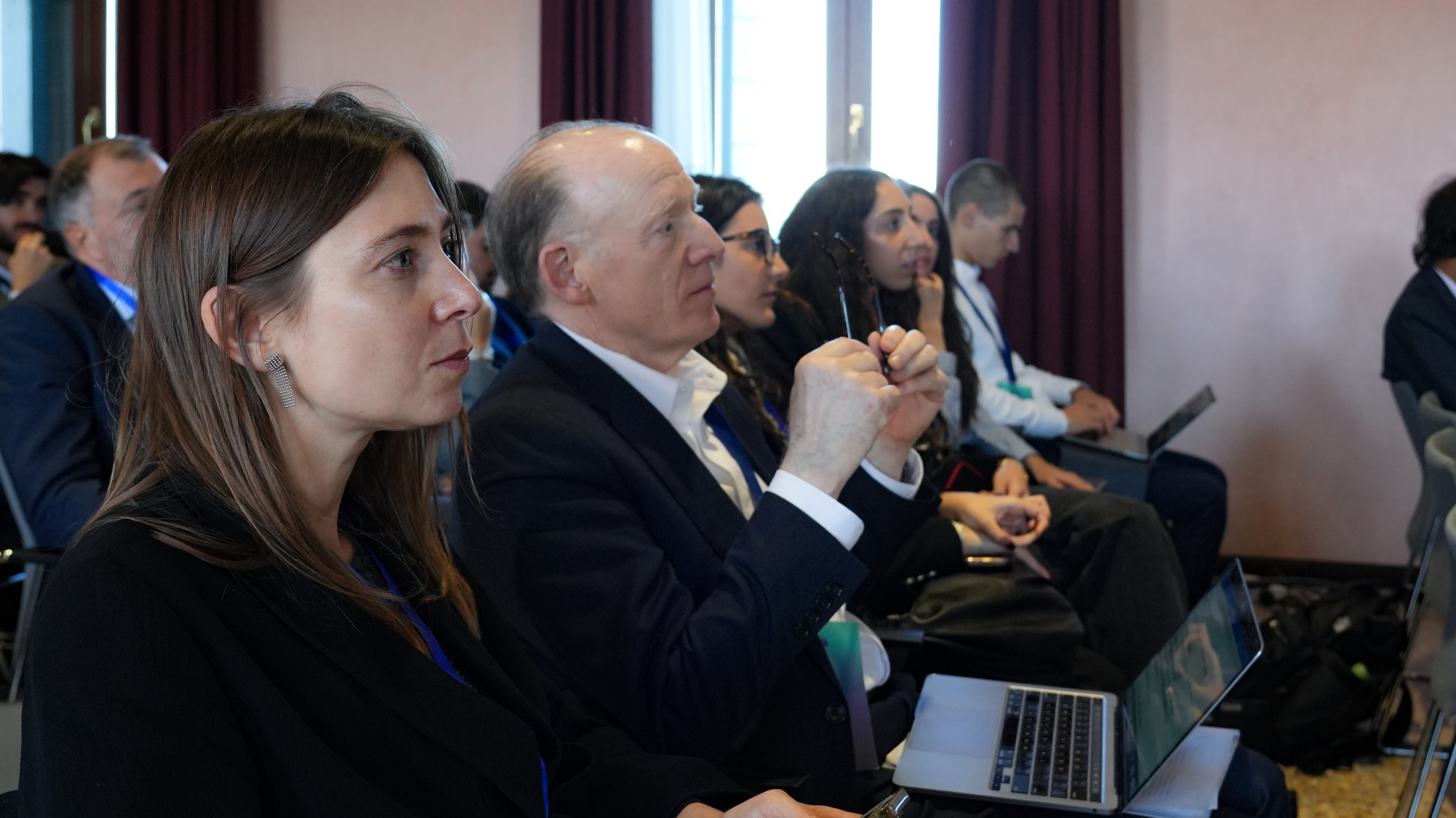
The Conference has been attended by more than 100 people, coming from twenty different countries in the world. The project puts together policy makers and analysts, business and corporate representatives, journalist and media correspondents, academic and research analyst willing to join the platform.
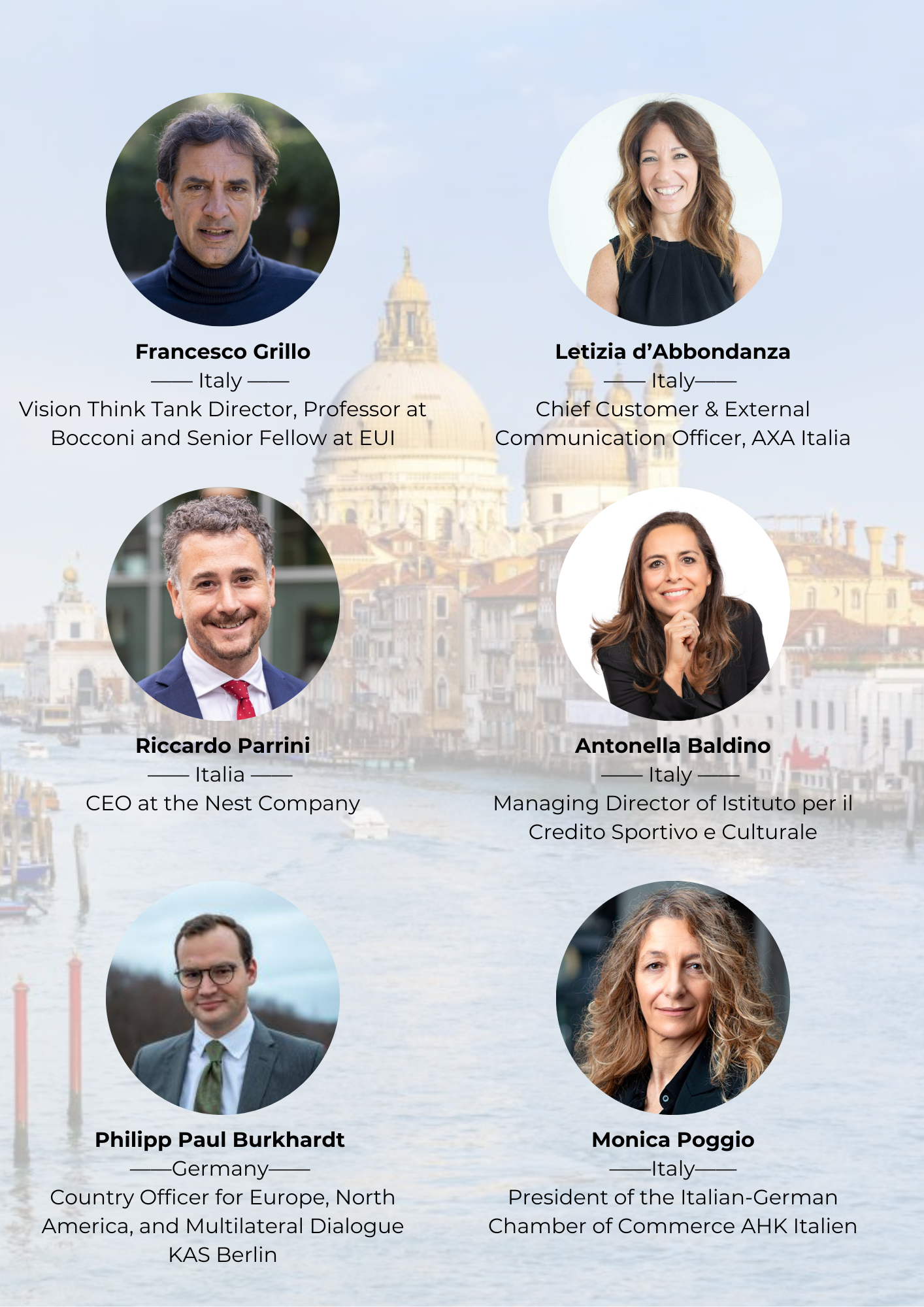
Among the main contributors were Letizia d’Abbondanza, Chief Customer & External Communication Officer at AXA Italia; Martin Powell, Head of Sustainability at AXA; Josh Parker, Head of Sustainability at NVIDIA; Antonella Baldino, Managing Director of the Istituto per il Credito Sportivo e Culturale; MariaGrazia Davino, Regional Managing Director at BYD Europe; Elena Flor, Head of ESG Steering at Intesa Sanpaolo; Rocco Steffenoni, Head of Local Energy Infrastructure at Engie; Luca D’Agnese, Policy, Evaluation & Advisory at Cassa Depositi e Prestiti; Patrizia Celia, Head of Large Caps, Investment Vehicles & Sustainable Finance Partnership at Euronext; Riccardo Parrini, CEO of The Nest Company; Cosimo Cervicato, Senior Executive Engineer at Grimaldi Group; Piero Gancia, Co-Leader of the Global Insurance Practice at McKinsey;Giuseppe Collino, Managing Director and Partner at BCG; Carolina Nizza, Head of Sustainability at Statkraft, Julia Paletta, Head of Ocean Energy Pathway, and Bruno Burlon, Key Account Manager for Southern Europe at Swiss Re.
The conference brought together leading figures from government and international institutions. Among them were Izabella Teixeira, member of the International Advisory Board at CEBRI and former Brazilian Minister of Environment; Daniele Franco, Scientific Director at Fondazione Giorgio Cini and former Italian Minister for Economy and Finance; Ibrahima Cheikh Diong, Executive Director of the UN Fund for Responding to Loss and Damage; Enrico Giovannini, Professor of Economic Statistics at the University of Rome “Tor Vergata” and former Minister for Infrastructure; Giorgio Gori, former Mayor of Bergamo and Member of the European Parliament; Barbara Kolm, Member of Austria’s National Council and former Director of the Von Hayek Institute; Pierpaolo Settembri, Deputy Head of Cabinet to the EU Commissioner for Sustainable Transport and Tourism; Taube Van Melkebeke, Head of Policy at the Green European Foundation; Cristian Matti, Sustainability and Innovation Policy Expert at the European Commission Joint Research Centre; Paulina Velasco, Deputy Chief of Staff for the City Council of Los Angeles, Frans Anton Vermast, Strategy Advisor and International Smart City Ambassador for Amsterdam Smart City, Matteo Ferrazzi, Senior Economist at the European Investment Bank, and Philipp Paul Burkhardt, Country Officer for Europe, North America, and Multilateral Dialogue at KAS Berlin.

A broad community of researchers contributed with an interdisciplinary approach. Among them were Francesco Grillo, Director of Vision Think Tank, Professor at Bocconi University, and Senior Fellow at the European University Institute, together with the Vision research team — Silvia Scarafoni, Dario Dell’Otti, Antonio Tummolo, Gabriele Dell’Anno, Valerio Rosa, and Andrea Leonetti di Vagno.
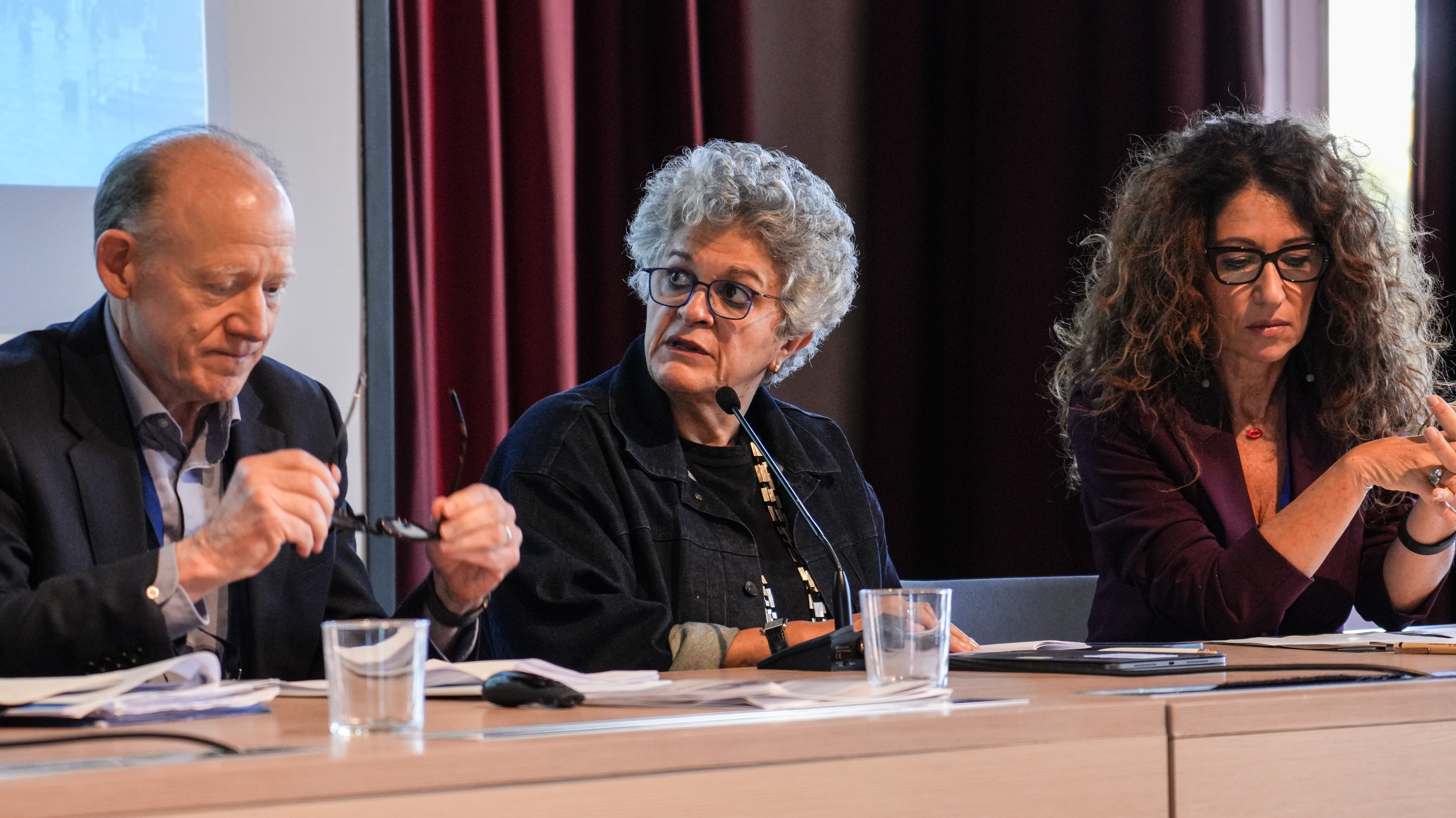
Contributions also came from Miriam Allena, Director of Master of Transformative Sustainability at Bocconi/Polimi, Matteo di Castelnuovo, Associate Dean for Sustainability at SDA Bocconi School of Management; Chiara Saccon, Vice-Rector of Ca’ Foscari University; Enrica De Cian, Professor at Ca’ Foscari University and Senior Scientist at CMCC and IUAV; Gianfranco Pellegrino, Director of the AXA–Luiss Lab on Climate Change, Risk and Justice; Carlo Carraro, Rector Emeritus of Ca’ Foscari University; Rohinton P. Medhora, McGill University; Monica Sodré, Executive Director of Meridiana, Senior Fellow at CEBRI, Olga Murolo, SDA Bocconi; Luca Velo, Professor at IUAV; Orla McLaughlin, Venice International University; Andrew Wyckoff, European University Institute; Chaitanya Giri, Fellow at ORF’s Centre for Security, Strategy and Technology in Mumbai; Francesco Musco, Professor of Urban Planning at IUAV; Giovanni Dotelli, Full Professor of Materials Science and Technology at Politecnico di Milano; Bernardino Sassoli de Bianchi, Professor of Scientific Reasoning at the University of Milan; Thibault Muzergues, Political Director at Shared Ground; Paolo Silva, Full Professor in Technologies for the Energy Transition towards Sustainability at Politecnico di Milano; Vitaliano Fiorillo, Director of Invernizzi AGRI Labdi SDA at Bocconi and Giulio Boccaletti, Scientific Director of CMCC and the Smith School of Enterprise and the Environment, Oxford University.
International journalists and editors helped disseminate the conference’s ideas to a broader audience. Among them were Oliver Morton (The Economist), Laura Hood and Rachael Jolley (The Conversation), Giancarlo Loquenzi (RAI Zapping), Turi Munthe and Giacomo Talignani (GEDI), Joseph Hammond (The Washington Times); Vibeke Hjortlund (Videnskab); together with the Illuminem team — Andrea Gori, Francesca Battaglia-Trovato, and Tim Haufe.
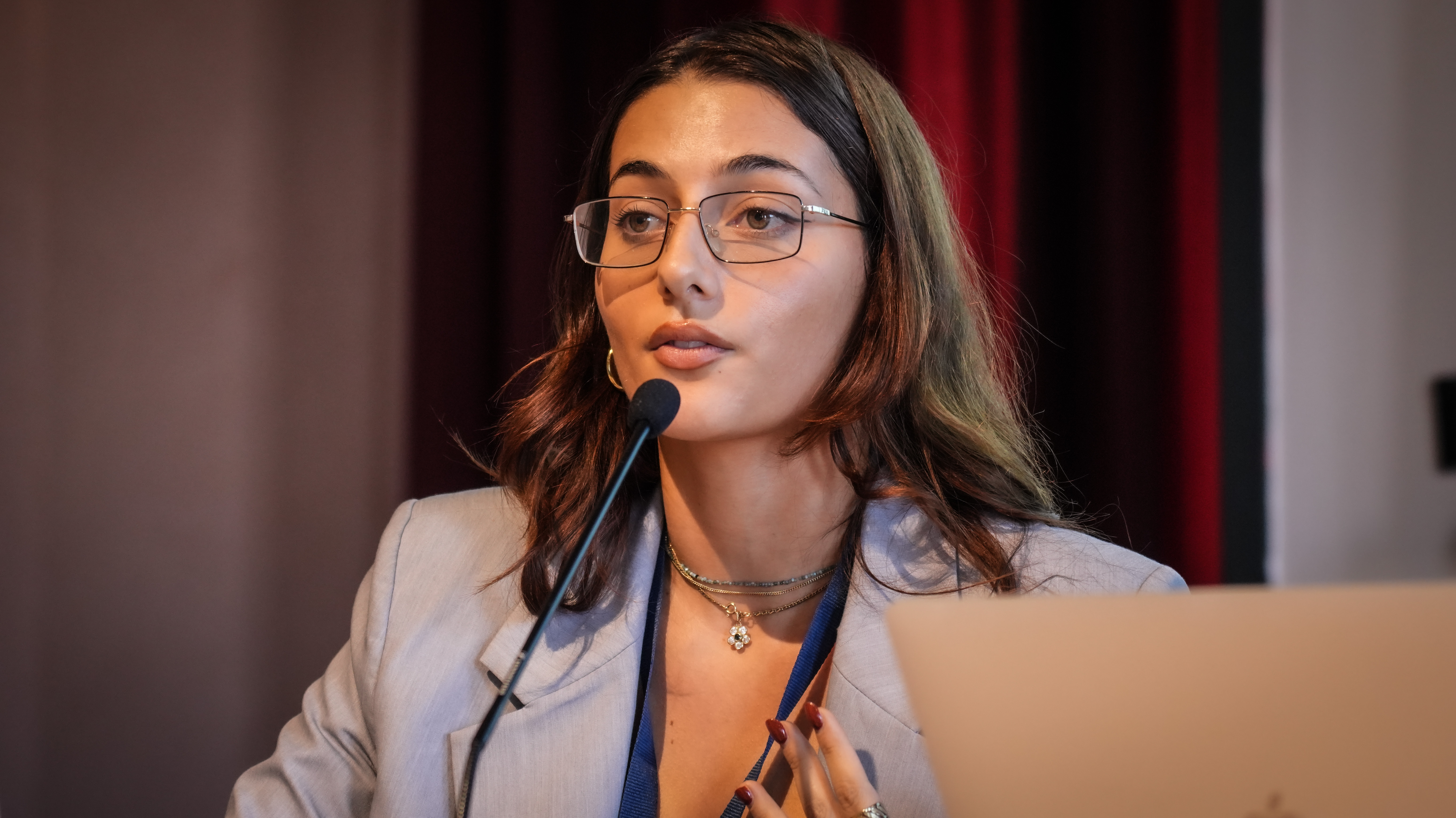
A key part of the conference was the active participation of students, who contributed with enthusiasm to the PSSGs.
Special thanks go to the Master’s and PhD students from Bocconi University and Politecnico di Milano: Arianna Camisa, Linda Collina, Clelia Fresa, Giuseppe Valentino, Adelaide Monti, Sofia Barana, Mariam Mokhtari, Luca Neroni, Sara Uggeri and Abhinav Ramesh.
PhD candidates from Ca’ Foscari: Anna Pistorio, Victoire Ambeza, Giada Bastanzi, Giulio Bettio, and Garima Jasuja.
From LUISS University, Mark Andreas Felix, Viola Di Tullio, Agostino Cambise, and Alessandro Cangiano.
Finally, SDA Bocconi was represented by Jazmin Aguilar, Diego Blanco Ayarza, Emre Kocak, Victoria Faynbloch, Giorgi Tskhadadze, Luciano Girardi Echenique and Jaqueline Azar Apter.