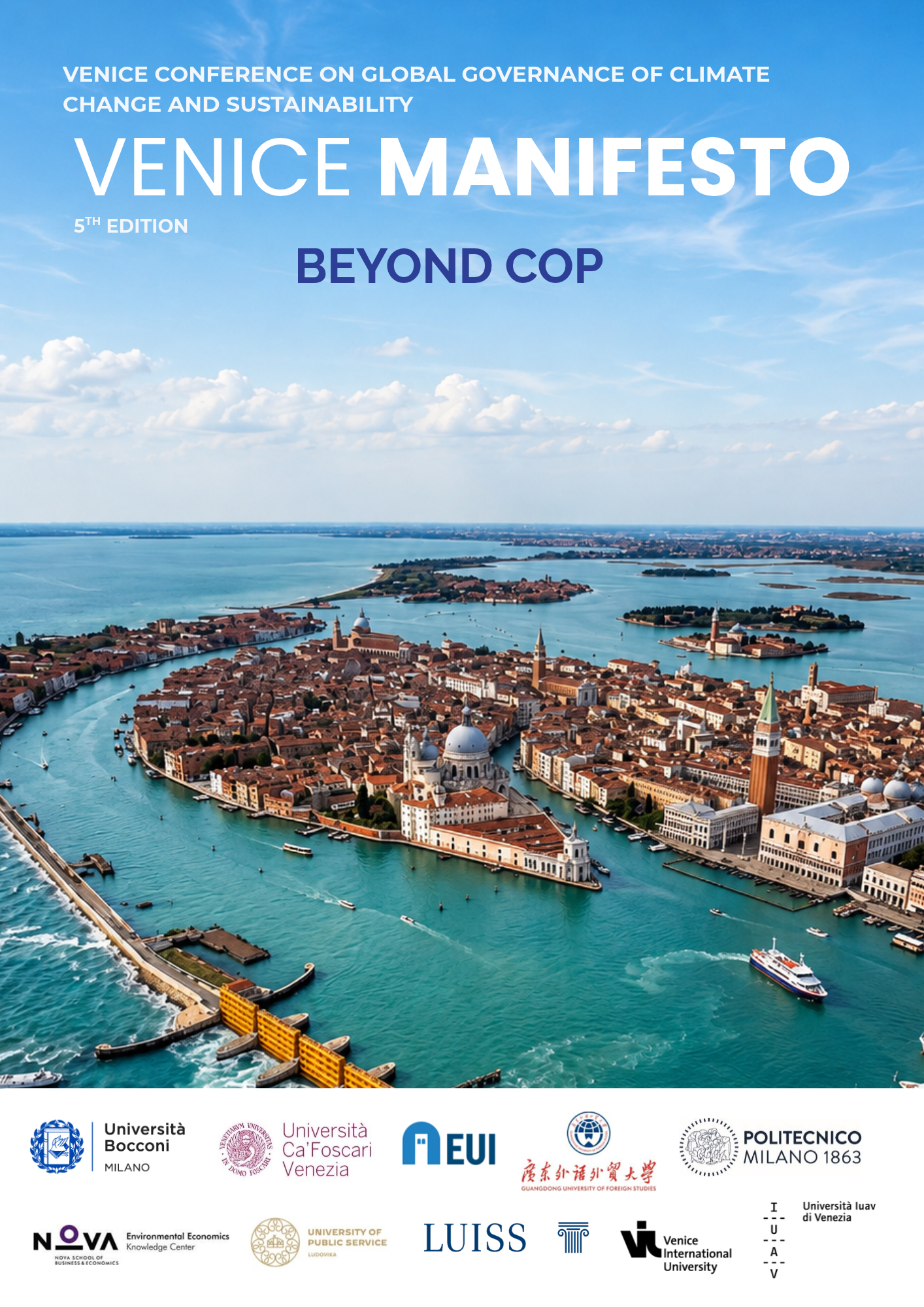
BEYOND COP
SUSTAINABILITY AS A COMPETITIVE ADVANTAGE
AND A FRAME FOR ADAPTING TO
A POST 1.5 DEGREE WORLD
(Work in progress)
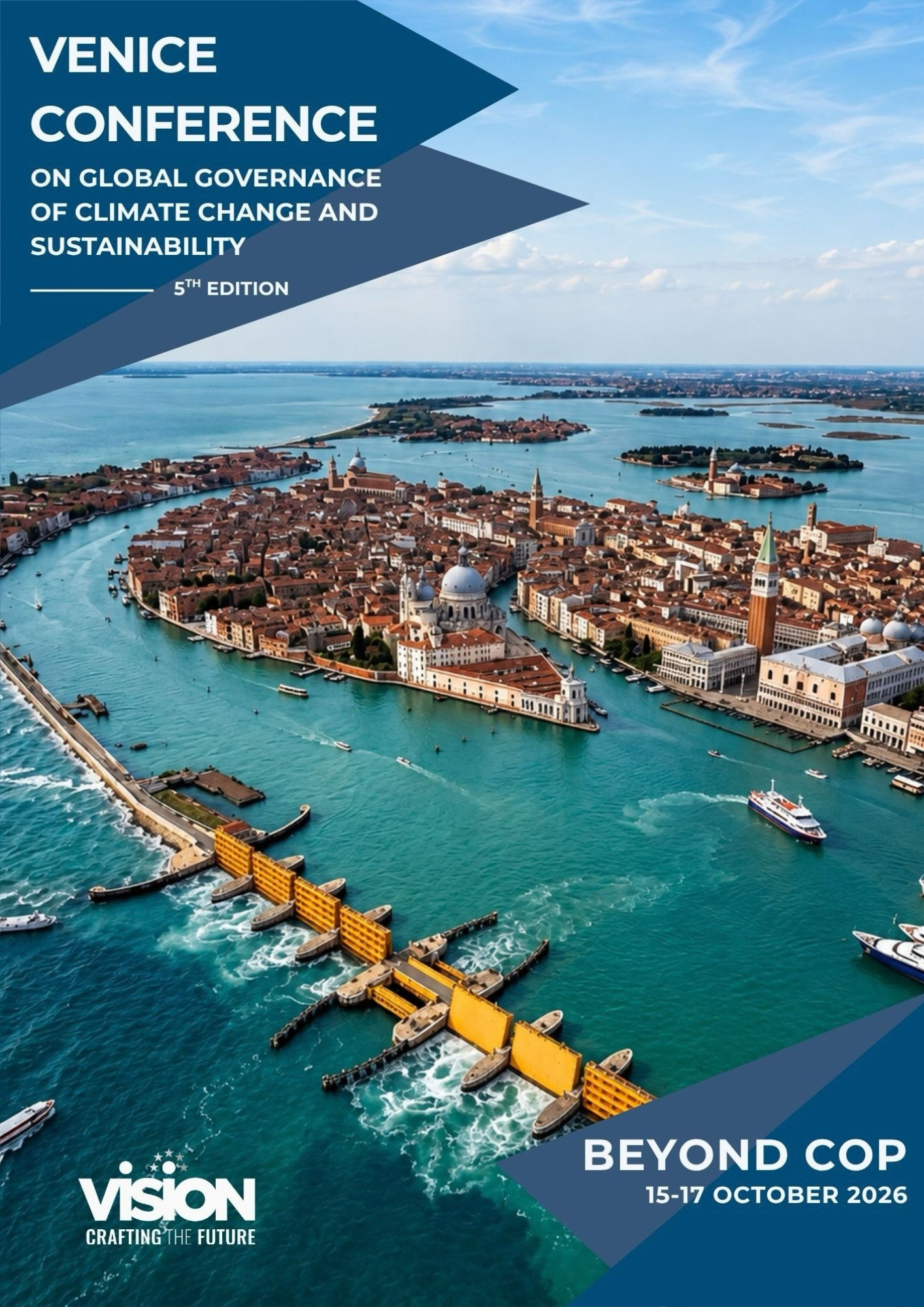
Four years after its first edition, the Venice Conference on Global Governance of Climate Change returns in 2026 with renewed urgency and a new location: Venice. Long admired for its beauty yet emblematic of global vulnerability, the city offers a fitting backdrop for a world confronting the accelerating consequences of climate change.
The international context has grown more complex since the last conference. COP30 in Belem (2025) concluded amid frustration: despite limited progress on adaptation finance, no agreement was reached on phasing out fossil fuels, and lack of funding commitemnts for the Fund for responding to Loss and Damage left developing nations disheartened. Now, in 2026, global temperatures are already 1.6°C above pre-industrial levels — making clear that the 1.5°C threshold is no longer a distant target, but a reality surpassed. Sweltering heats in Europe this summer make the urgency of immedatiat action clearer than ever before. Meanwhile, shifting political dynamics — the United States’ partial withdrawal from the Paris Agreement framework, Europe’s backlash against the Green Deal, and rising voter skepticism — have turned climate policy into a source of geopolitical tension. Yet this turbulence may also reignite ambition, opening new space for pragmatic and innovative climate governance.
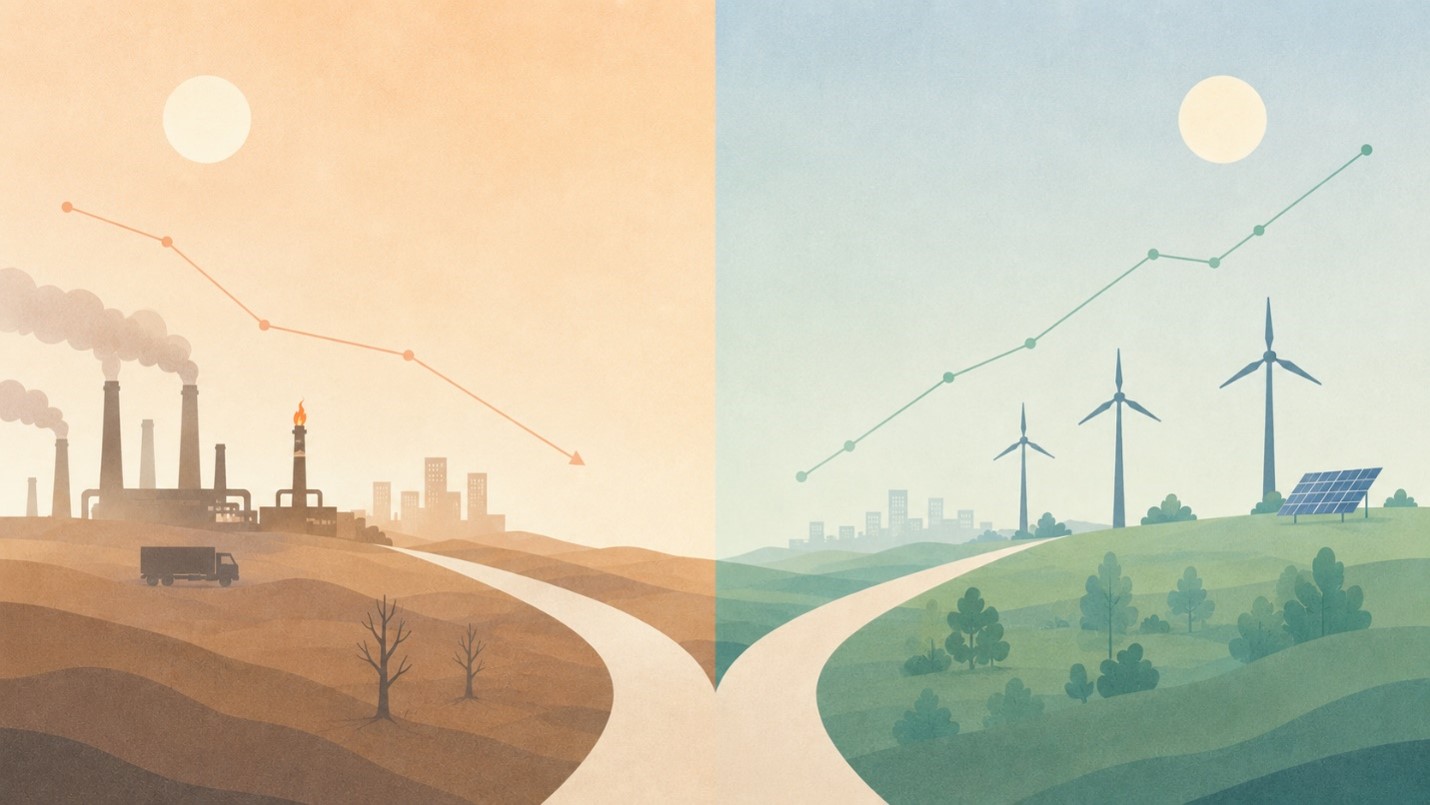
Against this backdrop, the 2026 conference embraces the theme “Sustainability as a competitive advantage” emphasizing that climate action is not only a moral imperative but also an economic necessity. From residual waste management to AI, discussions will focus on how sustainability can drive innovation, resilience, and competitiveness. Acting as a pre-COP hub, the Venice meeting will channel concrete proposals into the Antalya negotiations.
Through the consolidated Problem Setting–Solving Groups method (PSSGs) — collaborative workshops led by industry experts and supported by student teams from leading universities — the conference will pilot new negotiation models and policy frameworks across six key areas:
Waste - residual waste managment for recycling;
Mobility - integration of the Tiber in Rome's transportation network;
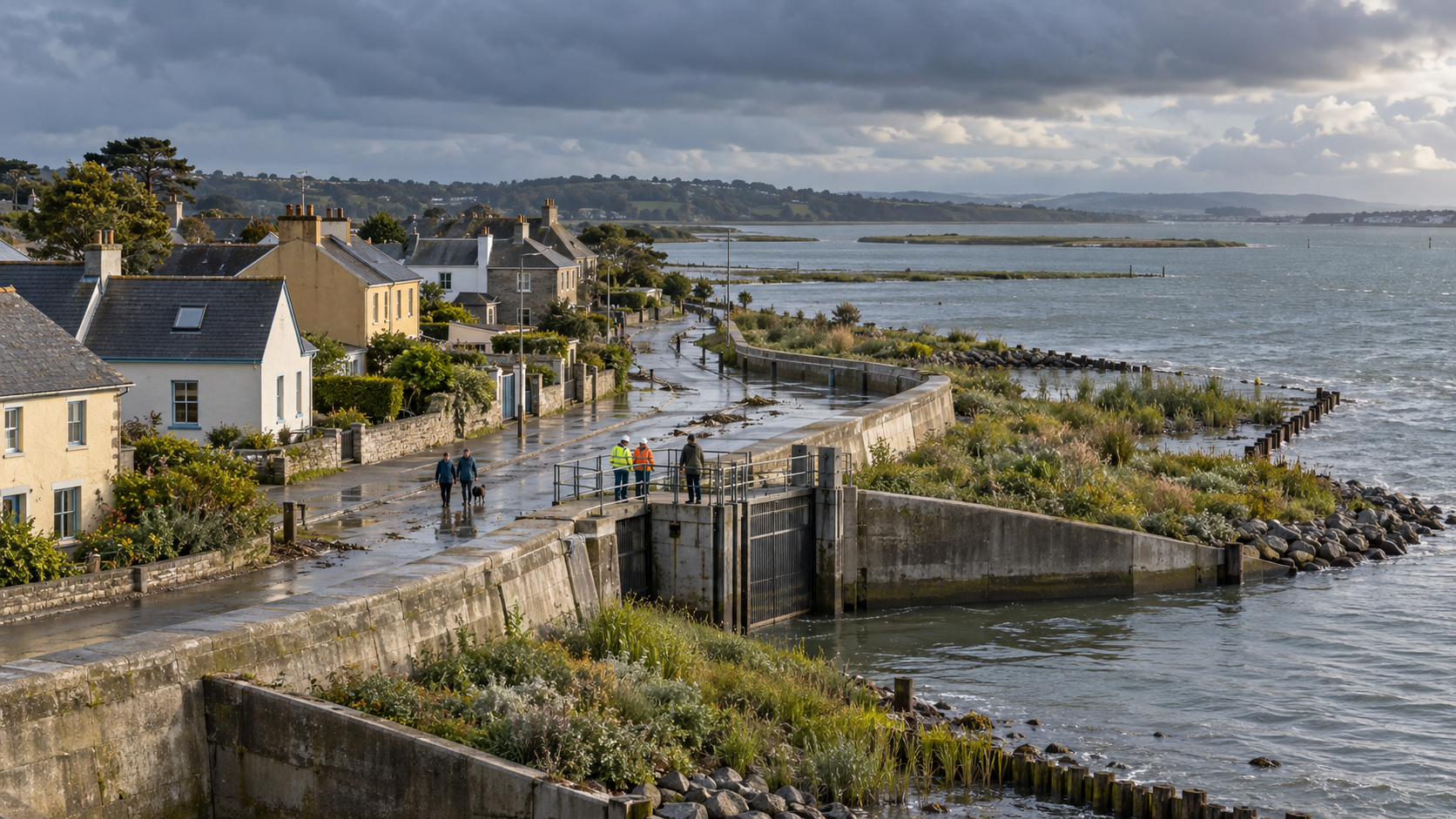
Rebuilding Venice - how to make Venice resilient and livleable;
Renewables in Africa - making risks transparent to enabel investment in solar energy;
Beyond COP - developing global institutions fit for the 21st century;
Climate Interventions - A governance framework for geoengineering.
VIDEO
The Venice Conference on Global Governance of Climate Change and Sustainability 2026, now in its fifth edition and titled Beyond COP, aims to move from diagnosis to concrete solutions, focusing on three main strategic objectives.
First, the conference seeks to go beyond the COP model. With emissions still rising and the multilateral process struggling to deliver, it asks how climate governance can be rebuilt for the twenty-first century and for a post-1.5-degree world. It treats sustainability not only as a moral imperative but as a strategic driver of competitiveness, industrial renewal and adaptation, and as a way to build institutions that can reconcile very different interests.
Second, it aims to bridge global crises and local vulnerabilities. By taking place in Venice, a city that embodies both resilience and fragility, the conference underscores the connection between global climate dynamics and their tangible local impacts, from rising sea levels and extreme heat to crop losses and pressure on urban infrastructure.
Third, the event fosters dialogue among academia, industry and policy-makers, and builds the trust that collective action requires. In six problem-solving groups, scientists, students, entrepreneurs and public officials work side by side on concrete proposals for climate governance, so that research and vision become actionable solutions.
The synthesis of these objectives is captured in the Venice Manifesto, a policy document compiling concrete proposals on climate governance and sustainability. It is to be presented to international decision-makers at COP31 in Antalya, helping to shape a shared and effective global agenda for climate action.

THE PARTICIPANTS
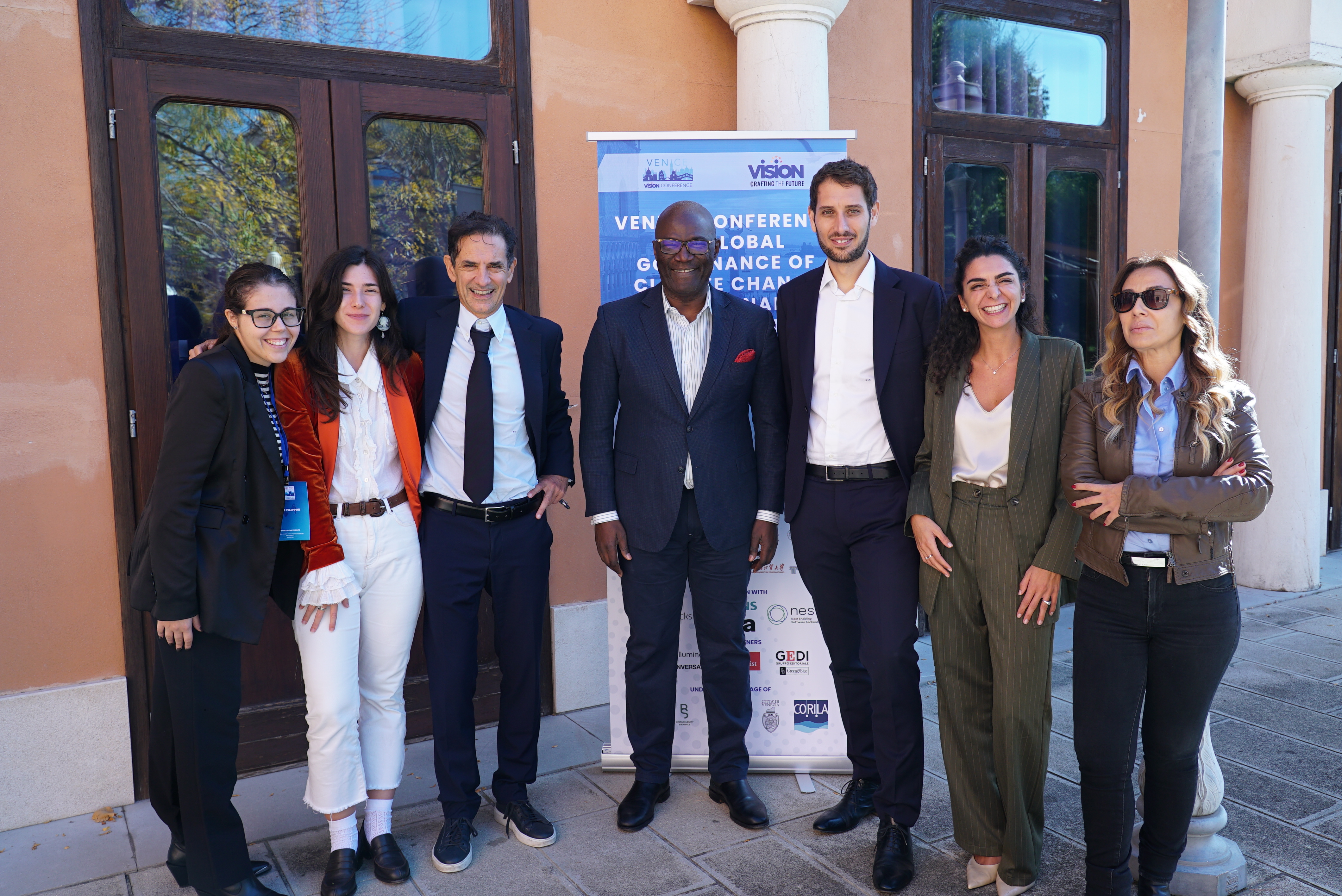
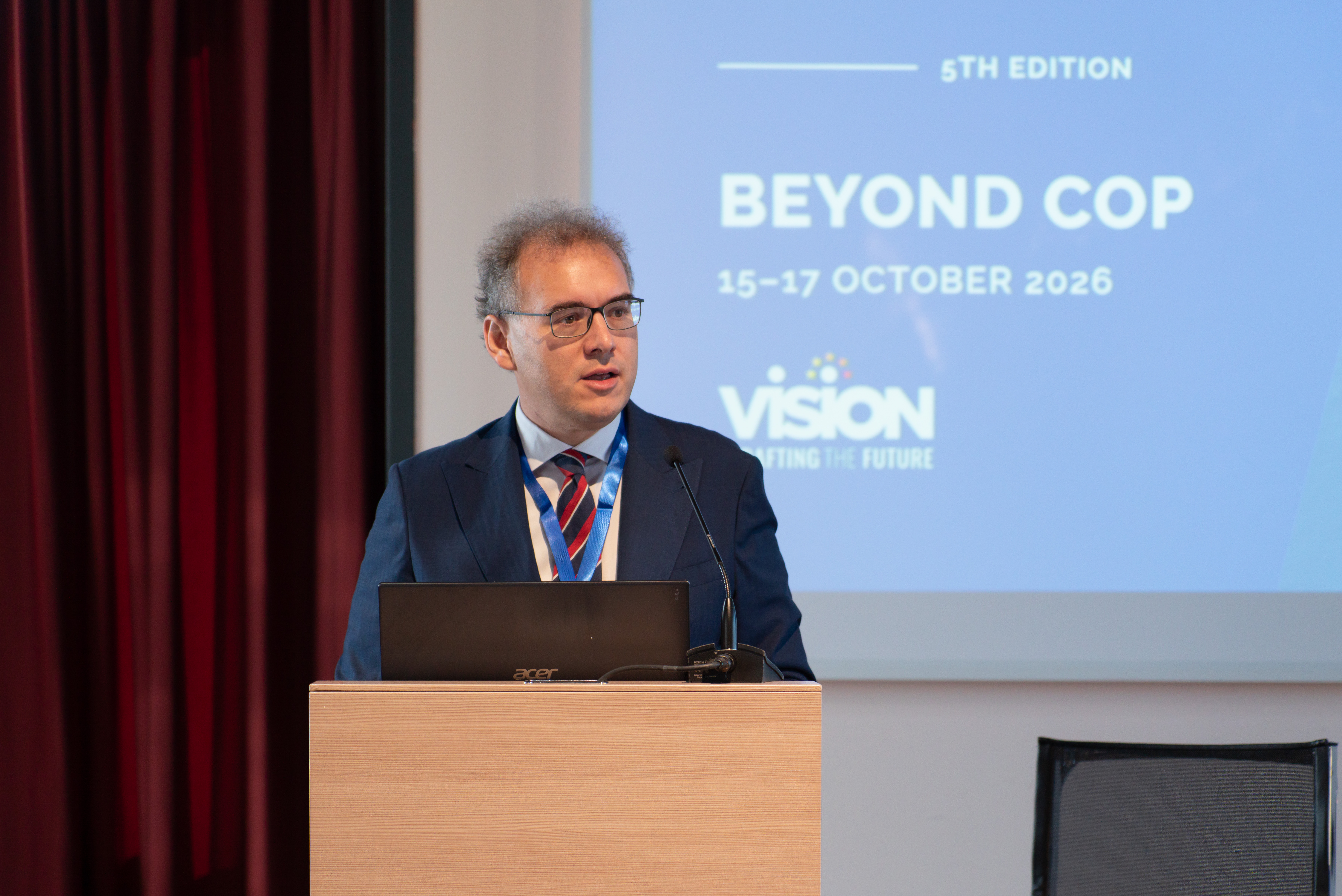
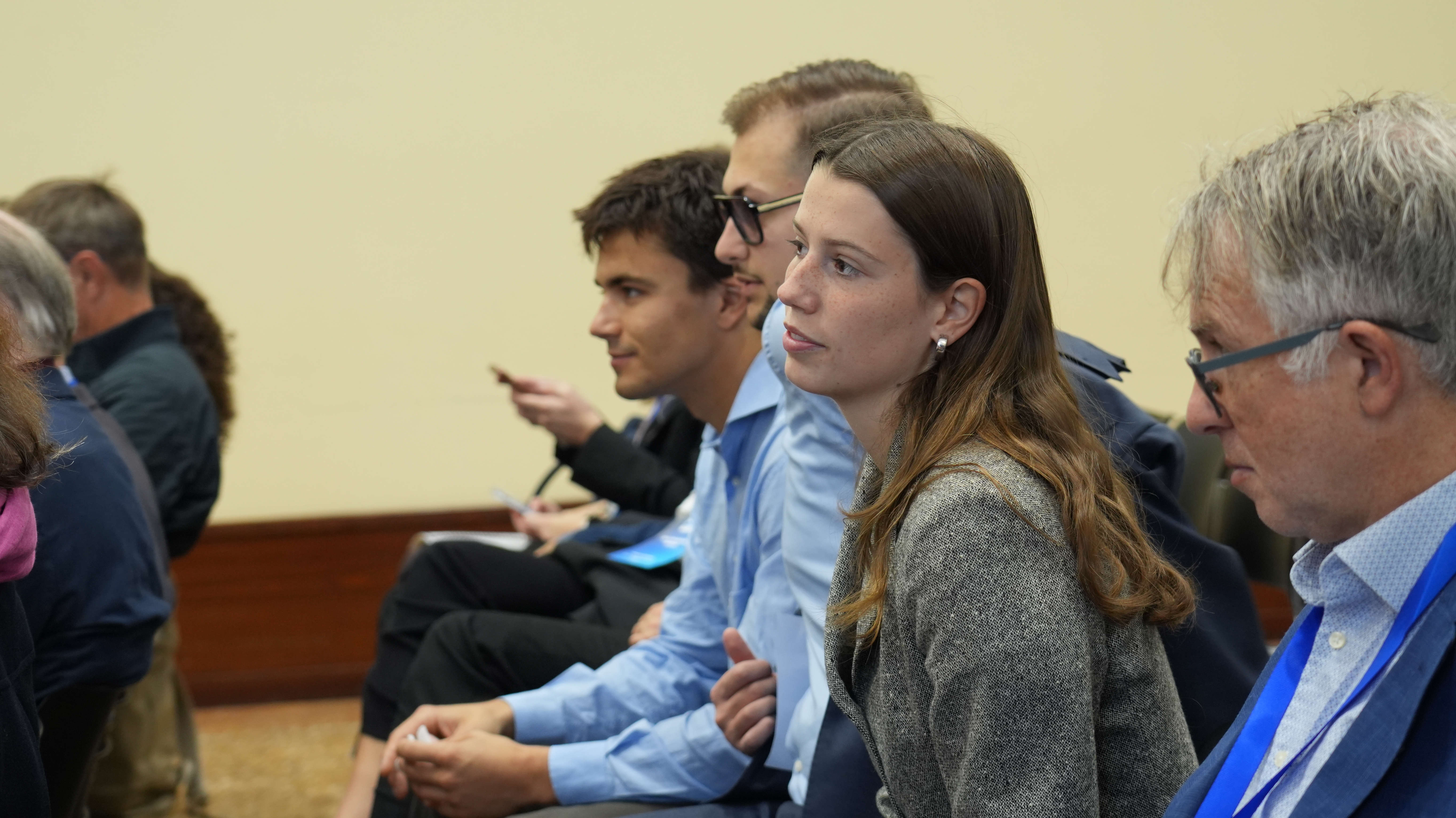
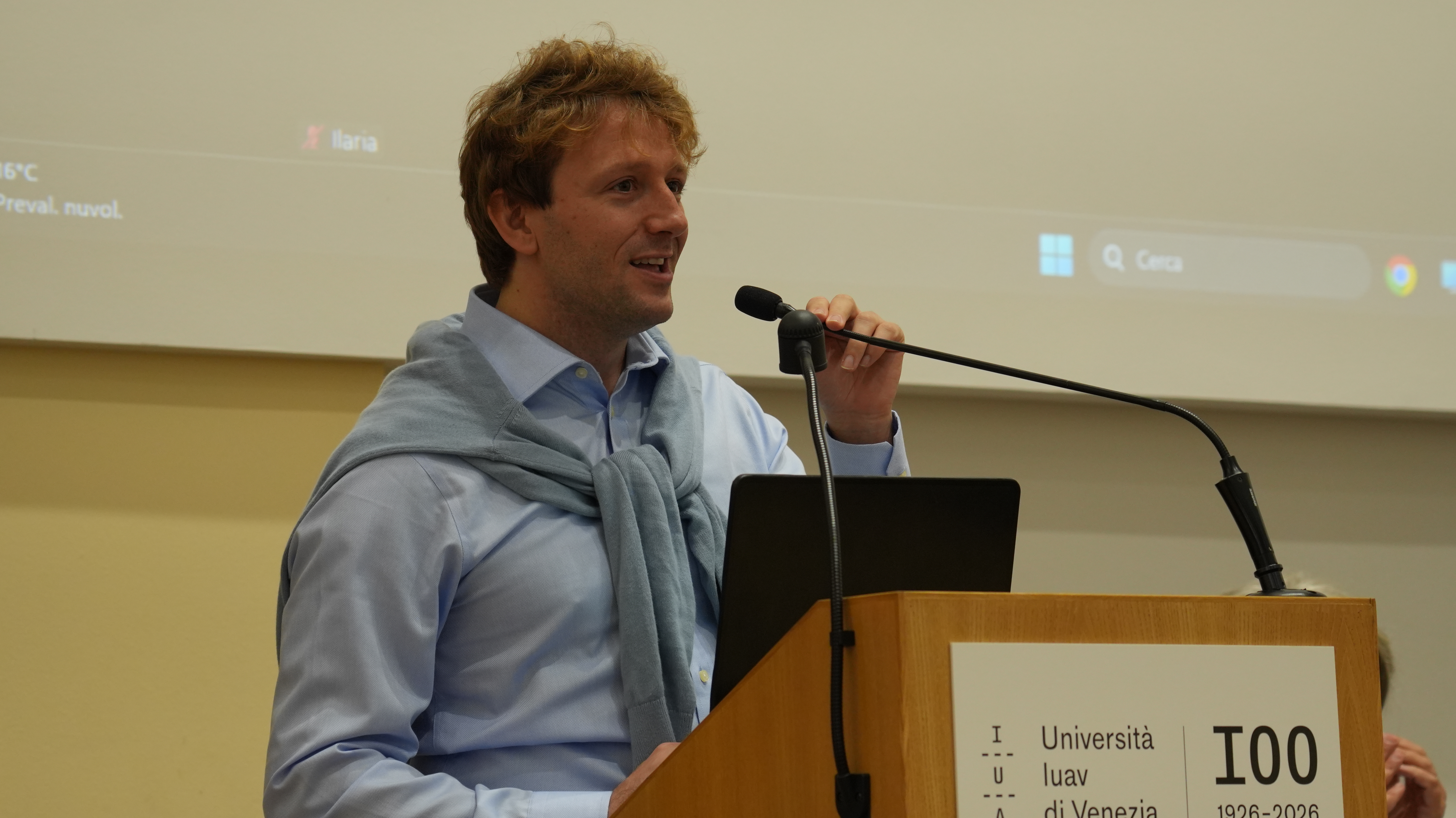
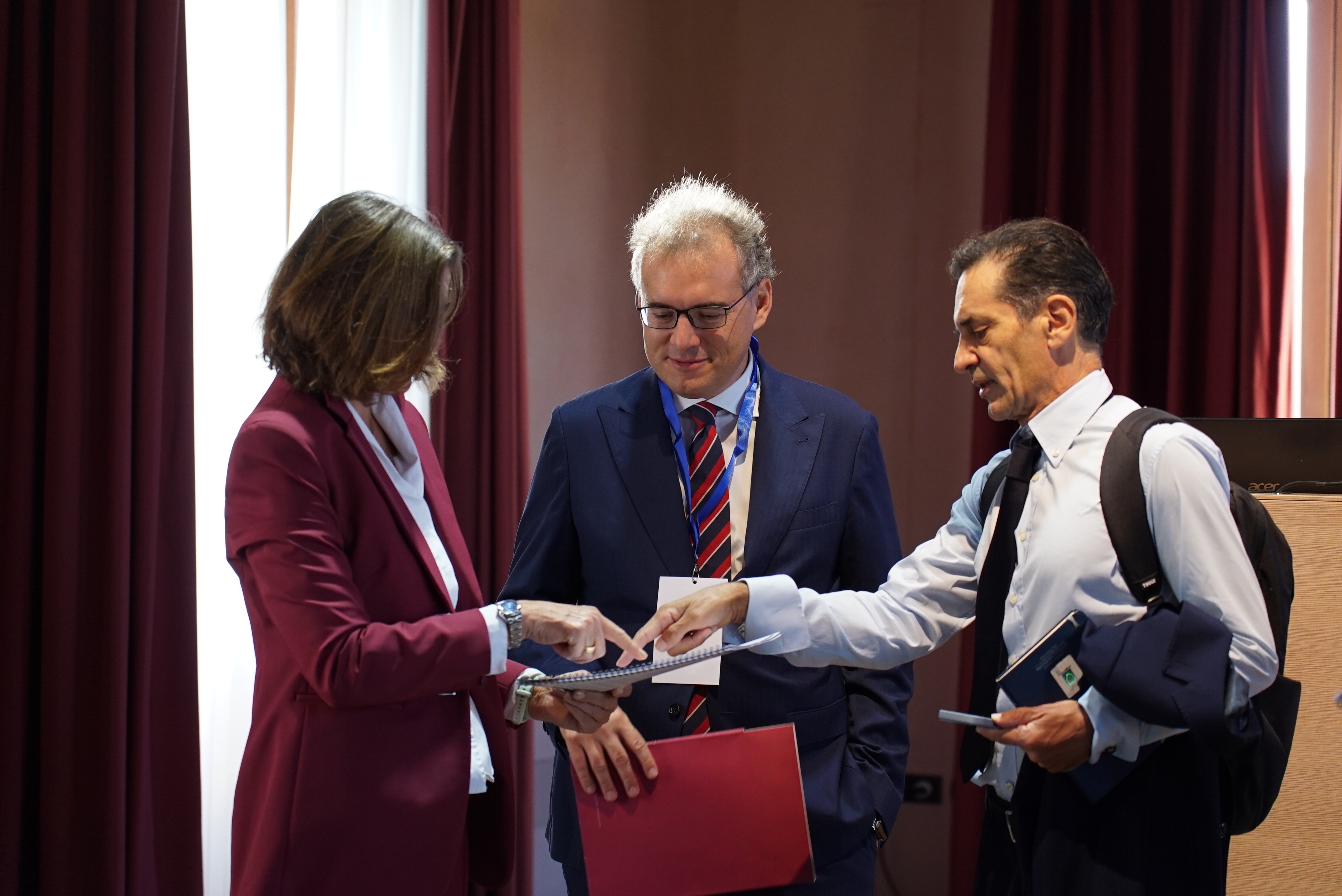
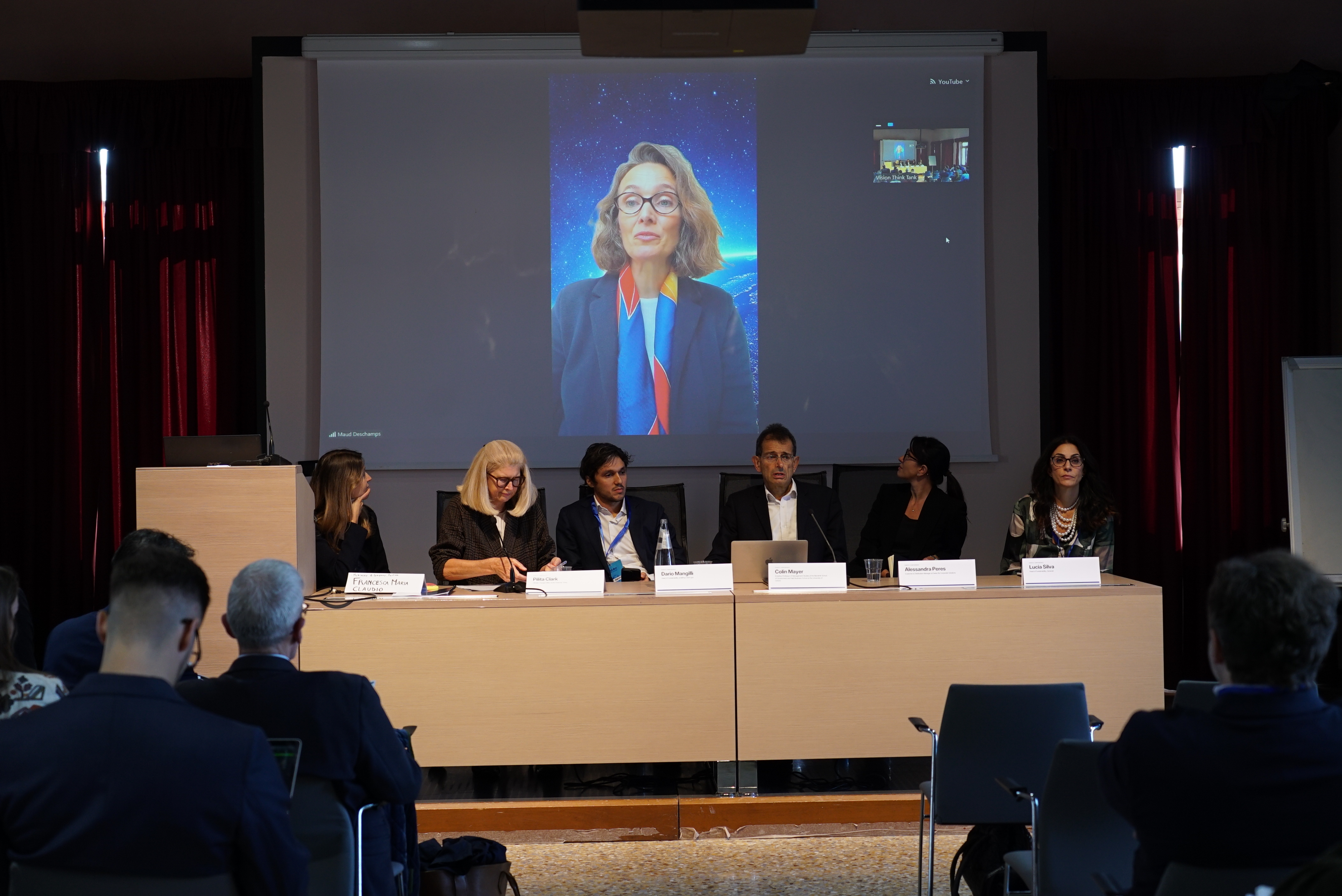
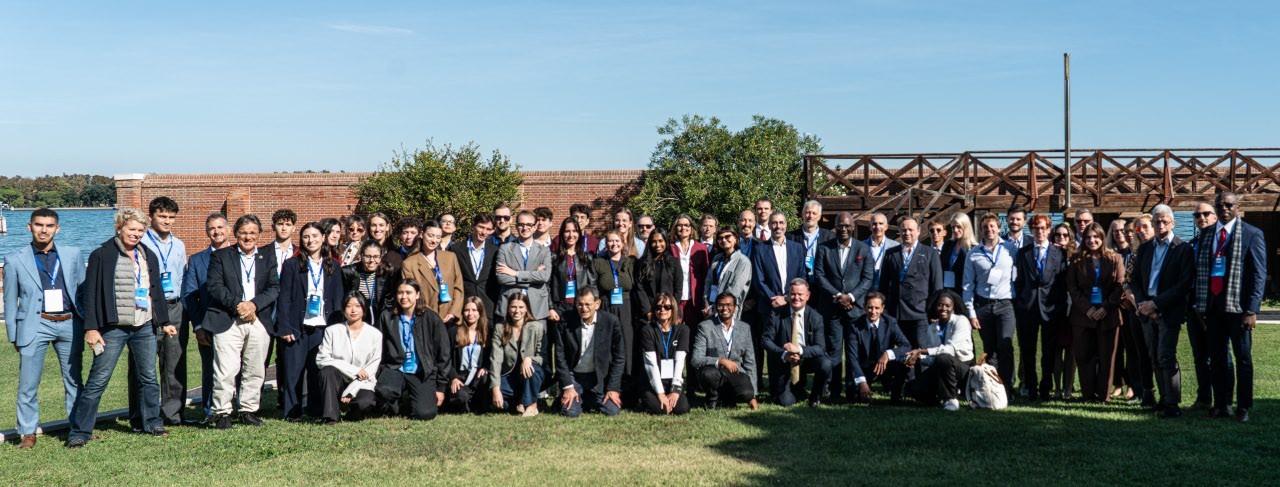
The Conference was attended by more than 100 people, coming from over twenty different countries in the world. The project puts together policy makers and analysts, business and corporate representatives, journalists and media correspondents, and academics and research analysts willing to join the platform.
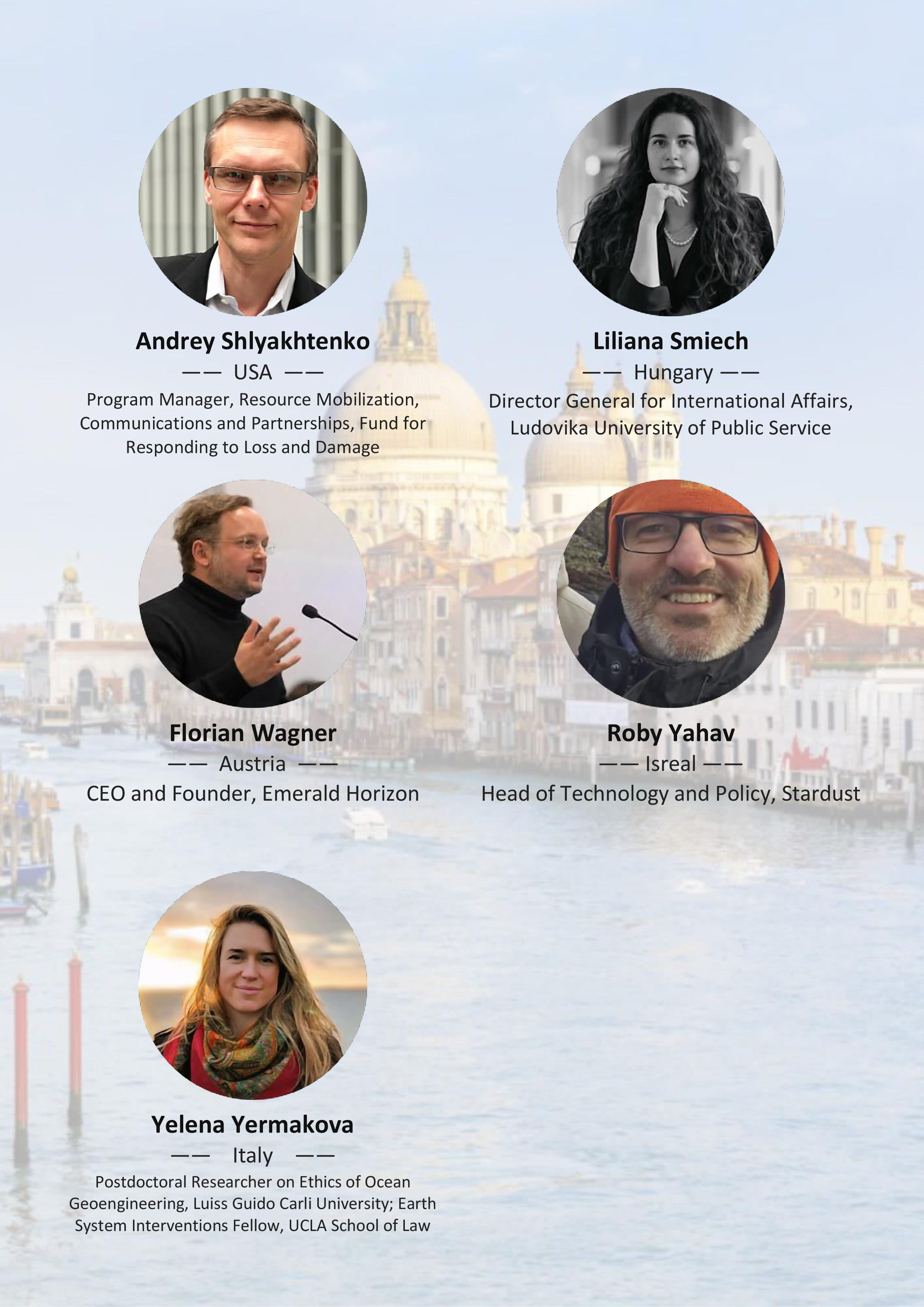
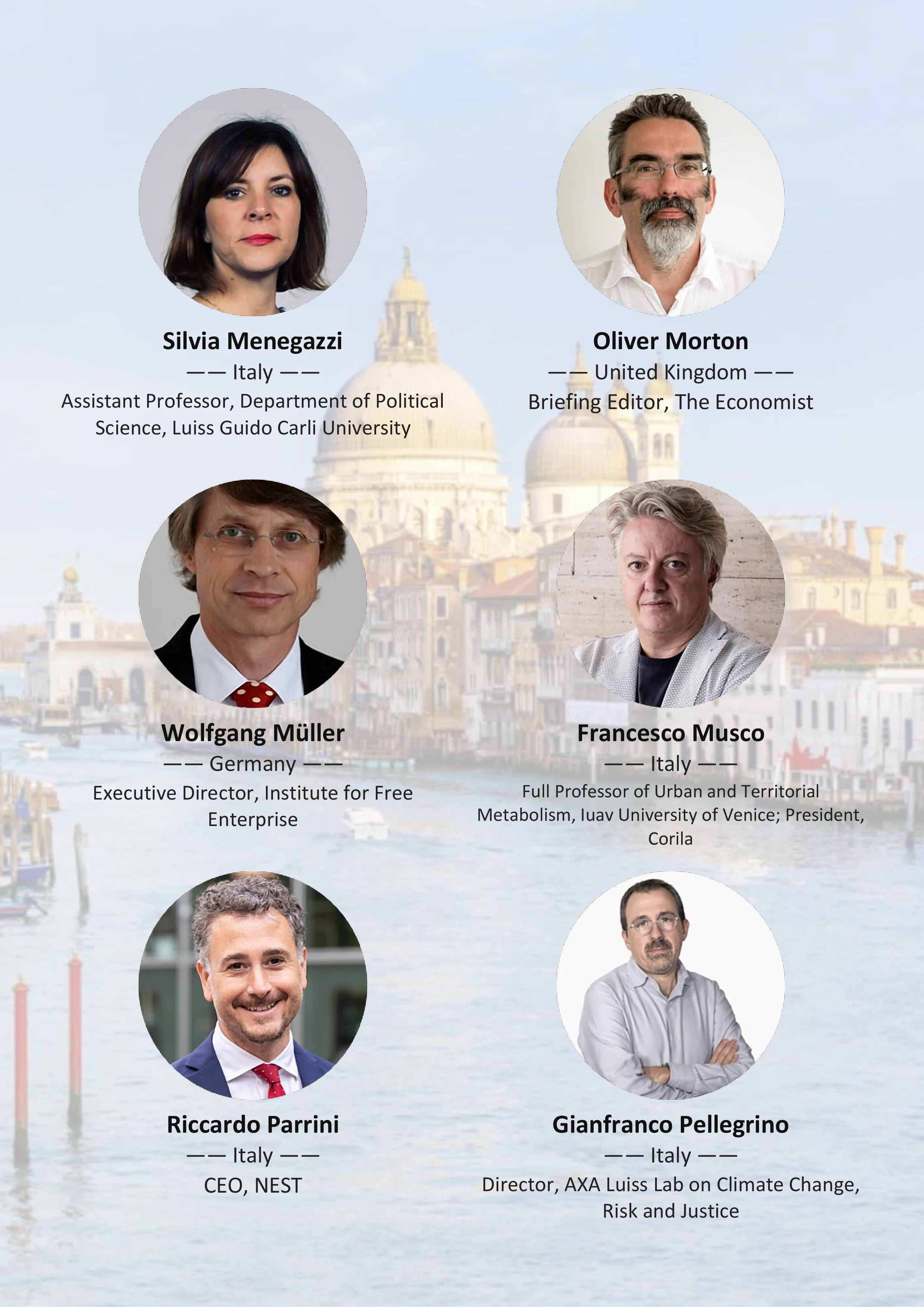
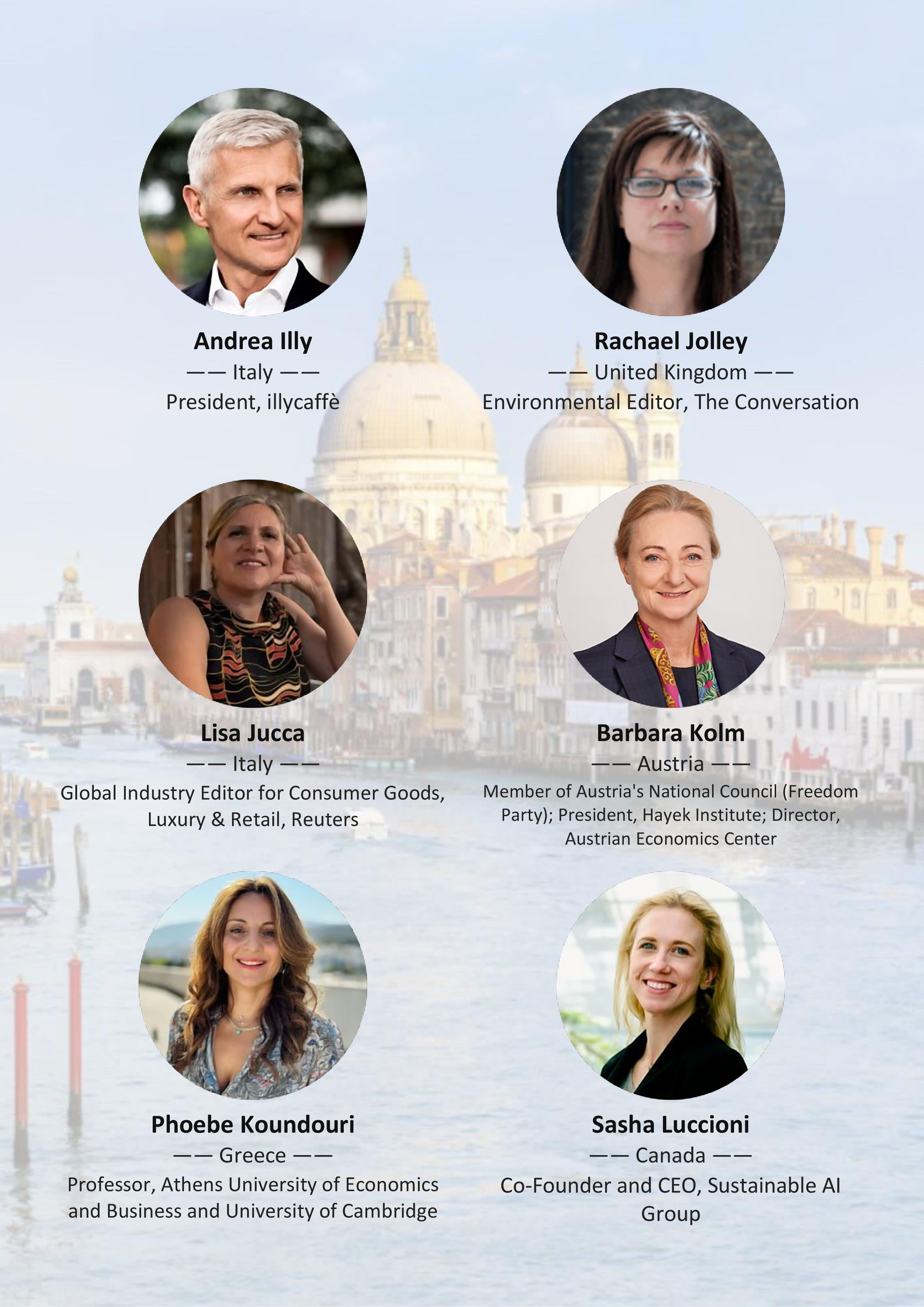
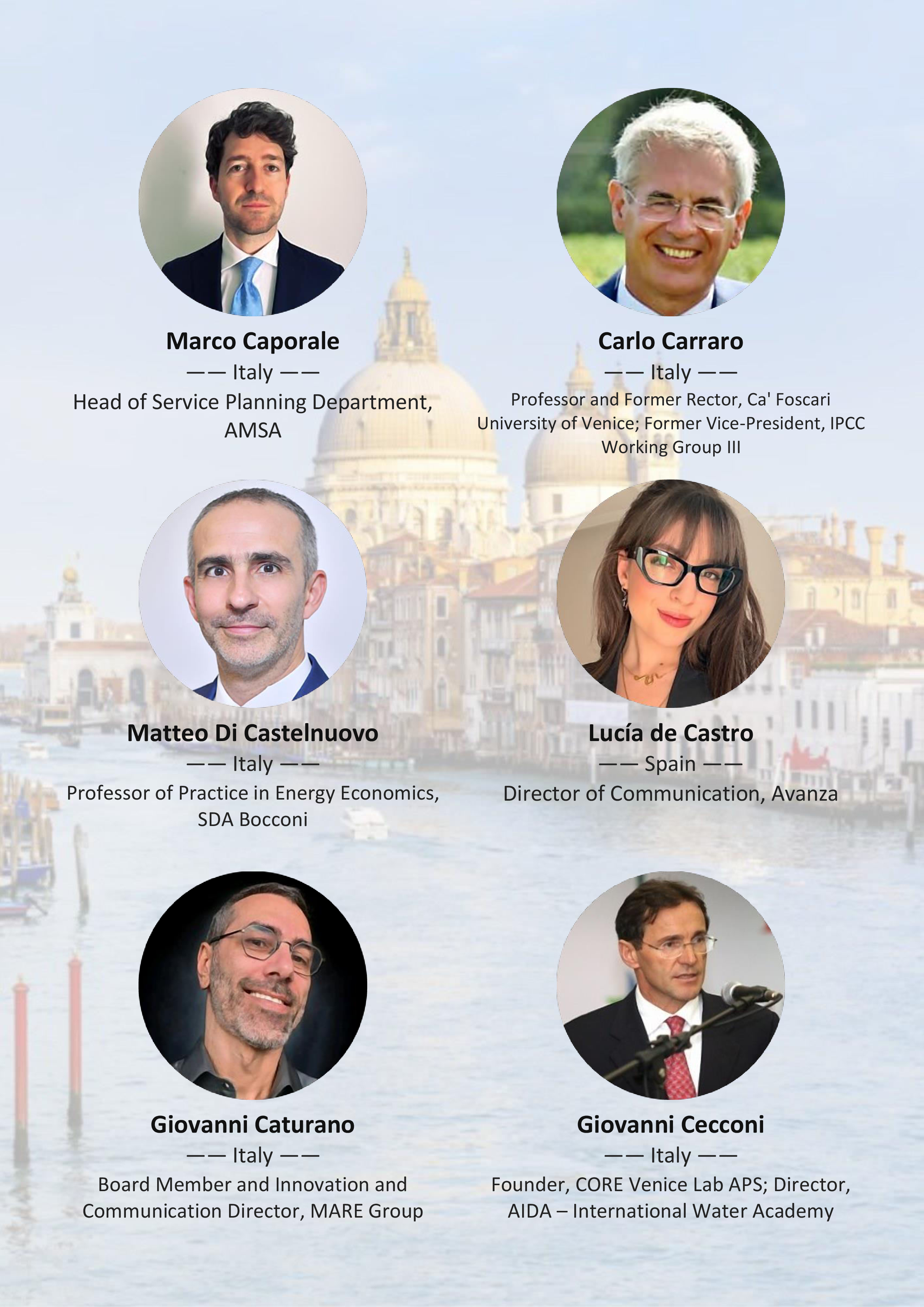
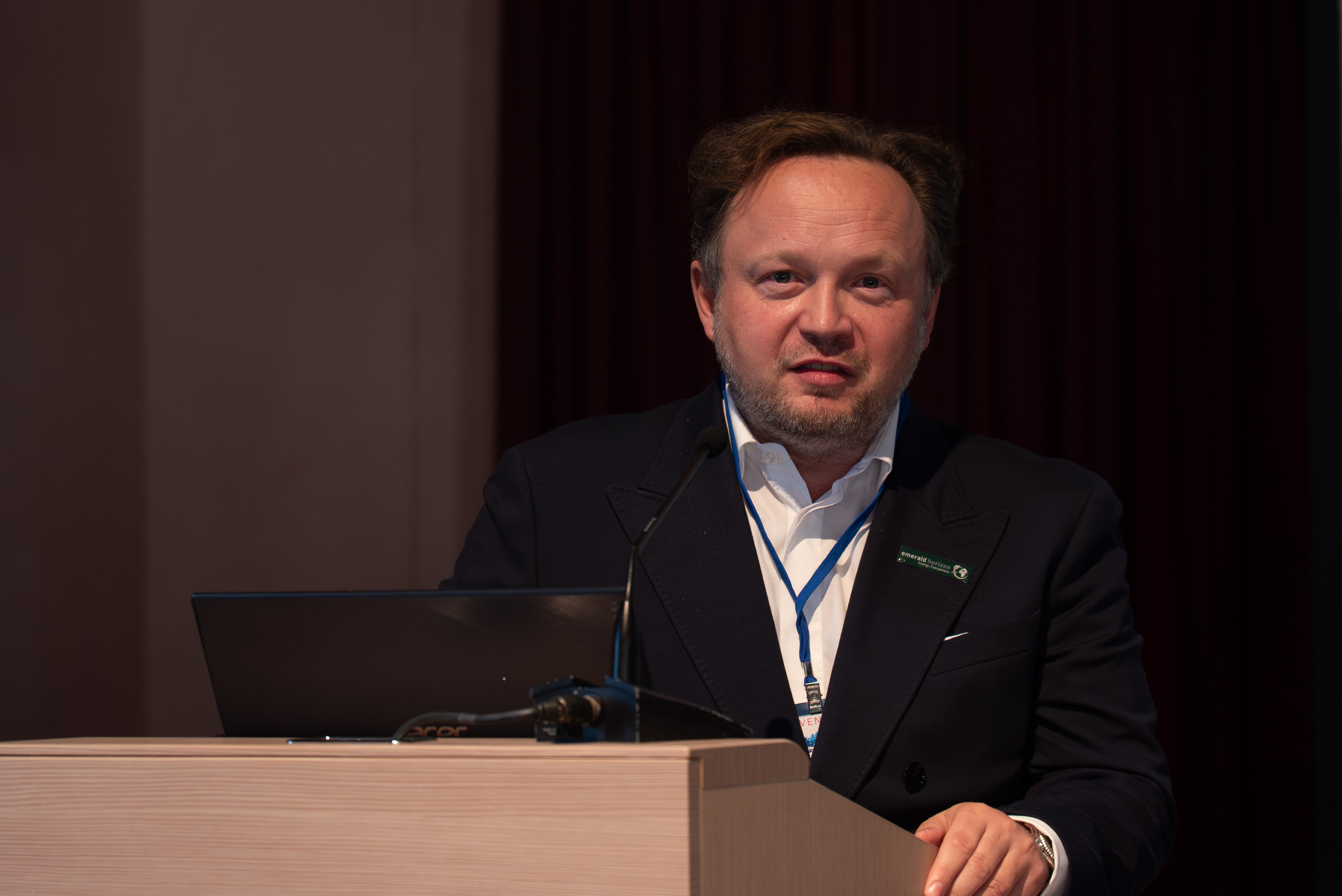
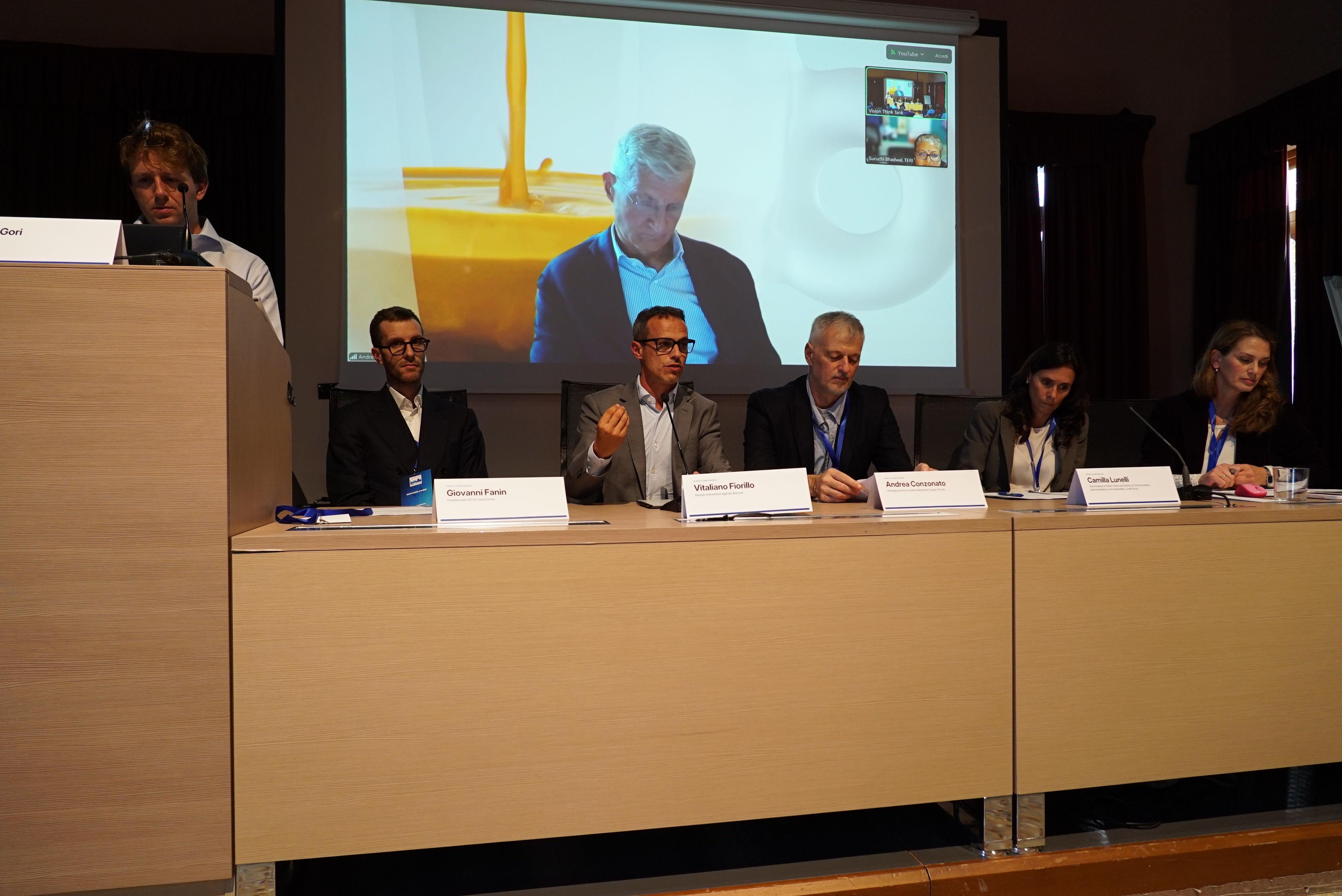
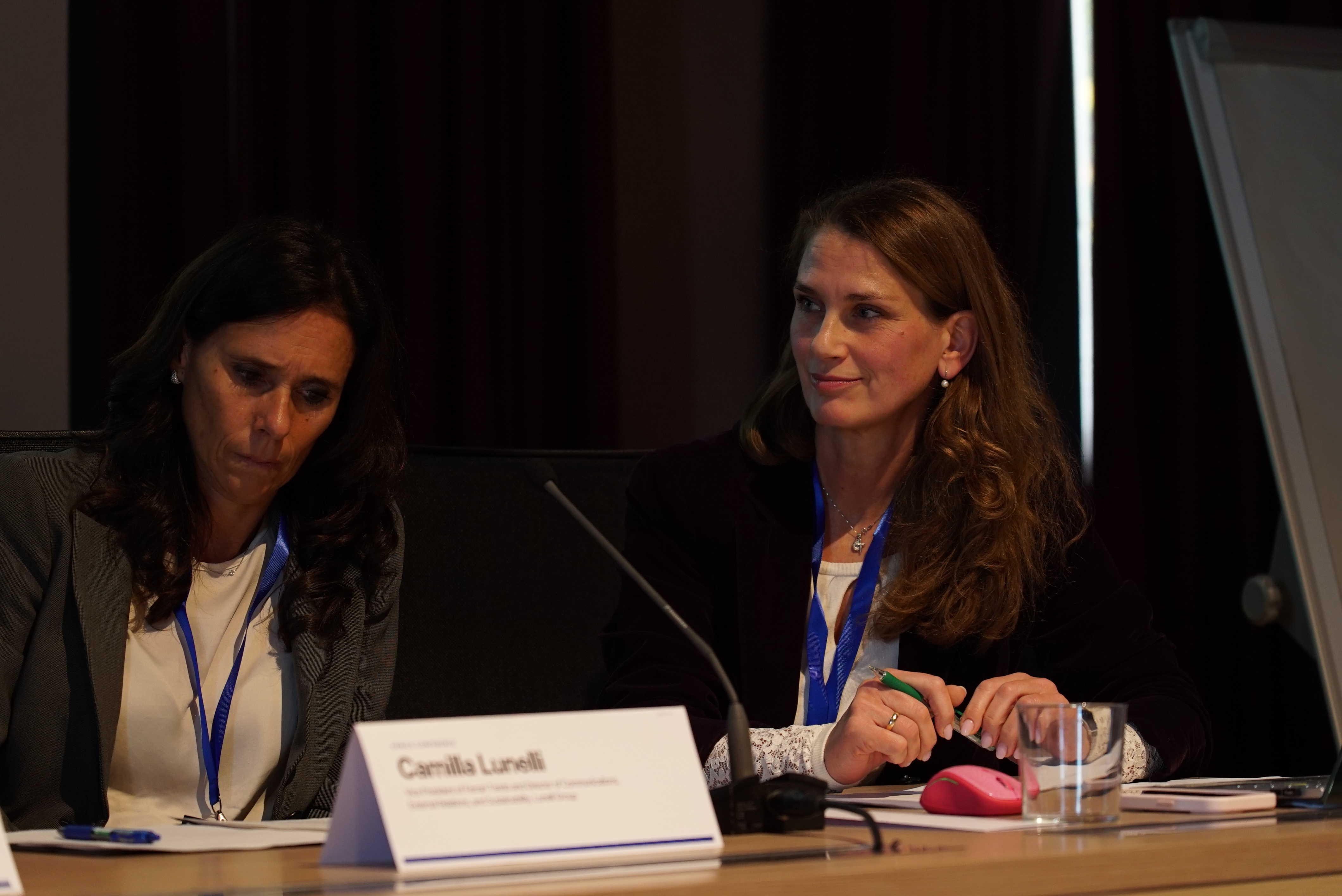
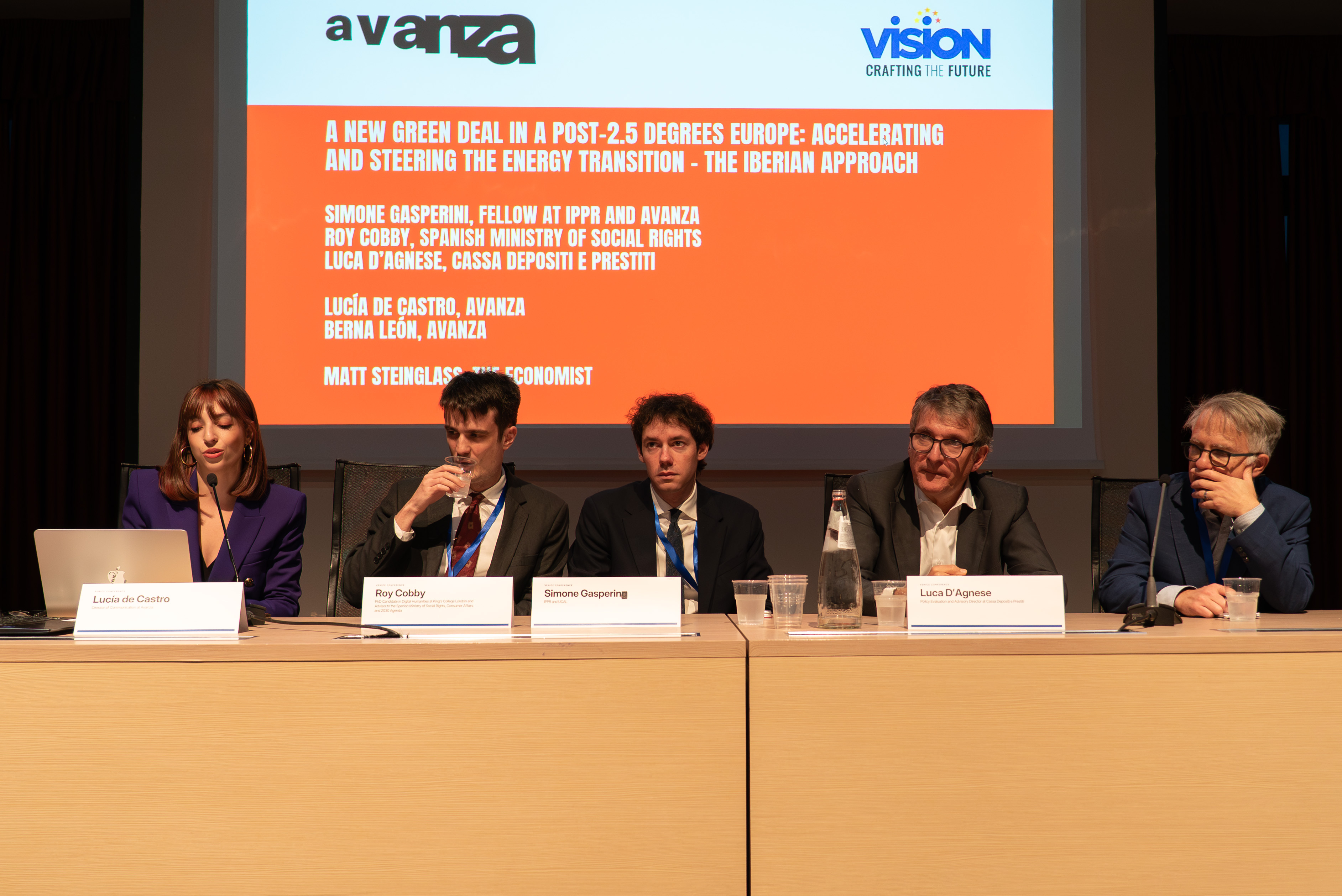
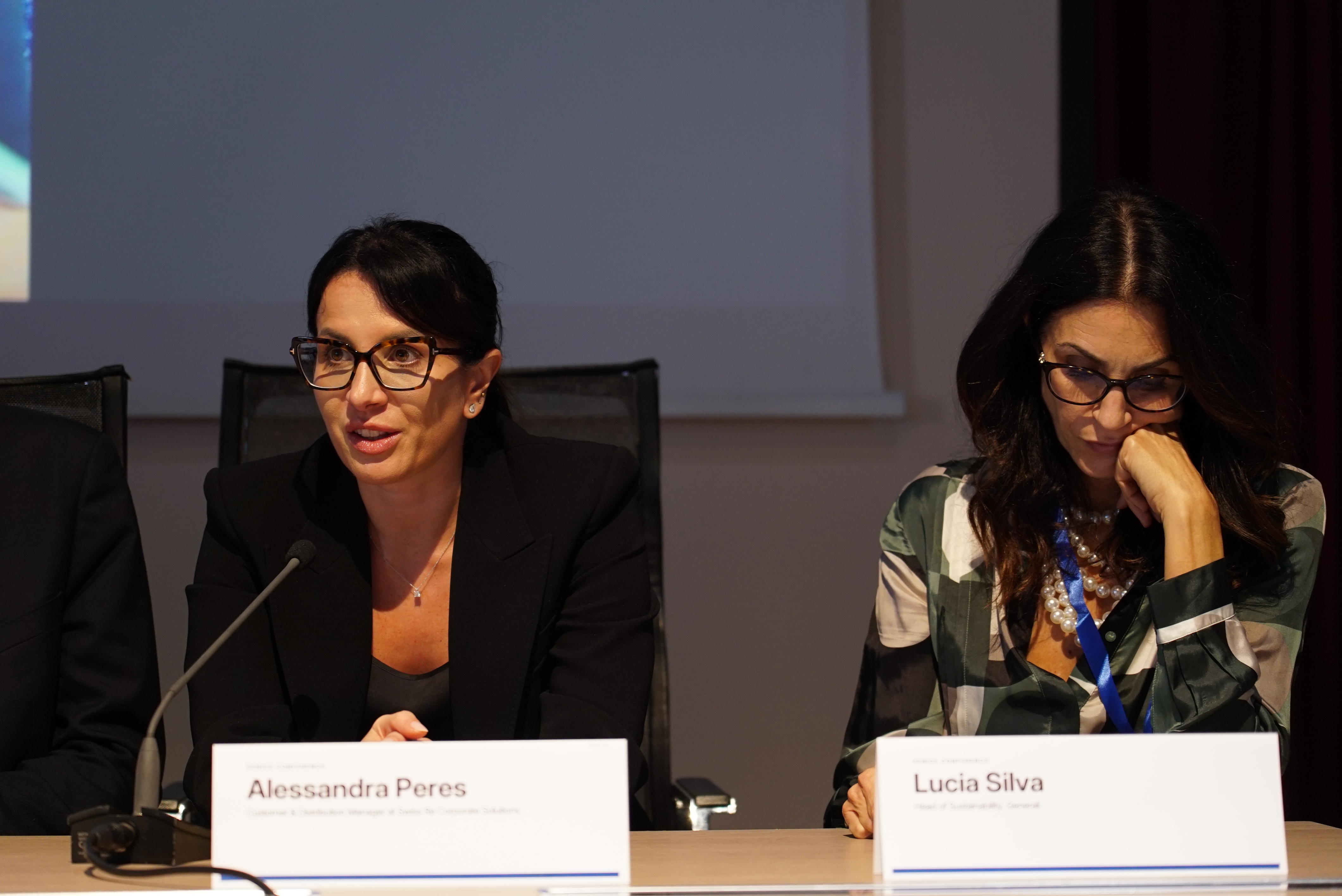
Among the main contributors were Francesca Maria Claudio,Partner at McKinsey; Giuseppe Collino, Managing Director and Senior Partner at BCG; Maud Deschamps, Chief Customer, Brand and Sustainability Officer for Europe and Health at AXA; Stefano Suman, Head of Risk Management at AXA Italy; Alessandra Peres, Customer & Distribution Manager at Swiss Re Corporate Solutions; Lucia Silva, Head of Sustainability at Generali; Giuseppe Zammarchi, Head of ESG Metrics, Policies and Disclosure at UniCredit; Pierfrancesco De Rossi, CEO of Siemens Mobility Italy; Sasha Luccioni, Co-Founder and CEO of Sustainable AI Group, and Boris Gamazaychikov; Luca D’Agnese, Policy Evaluation and Advisory Director at Cassa Depositi e Prestiti; Dario Mangilli, Head of Sustainability at IMPact SGR; Marco Caporale, Head of Service Planning Department at A2A; Riccardo Parrini, CEO of The Nest Company; Camilla Lunelli, Vice President of Ferrari Trento and Director of Communications, External Relations and Sustainability at the Lunelli Group; Giovanni Fanin, President and CEO of Cereal Docks; Andrea Illy, President of Illy Caffè; Andrea Conzonato, Managing Director at Santa Margherita Gruppo Vinicolo; Giovanni Caturano, Board Member at MARE Group; Florian Wagner, CEO and Founder of Emerald Horizon; Roby Yahav, Head of Technology and Policy at Stardust; and Cliff Prior, Ambassador for the Global Steering Group for Impact Investment.
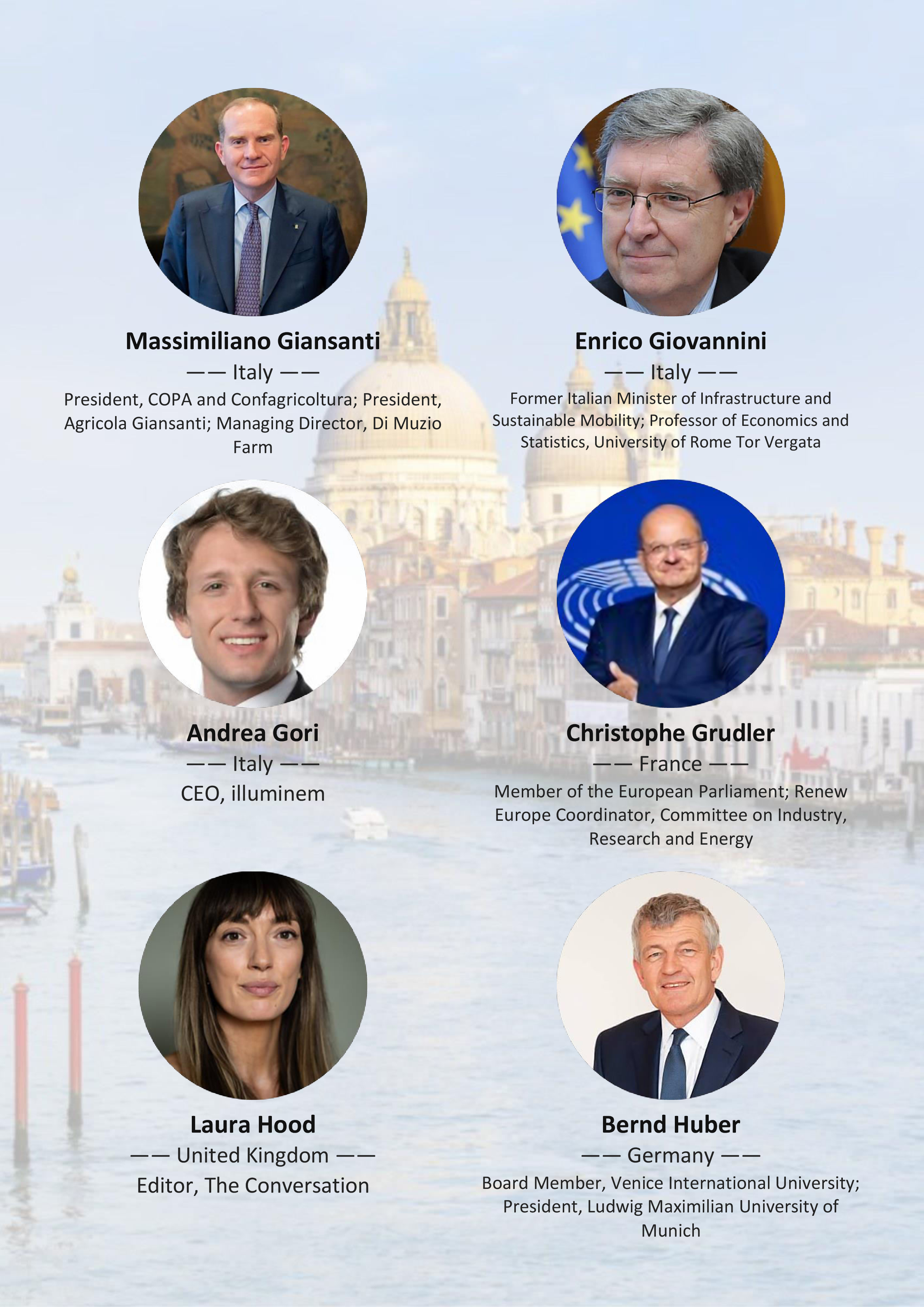
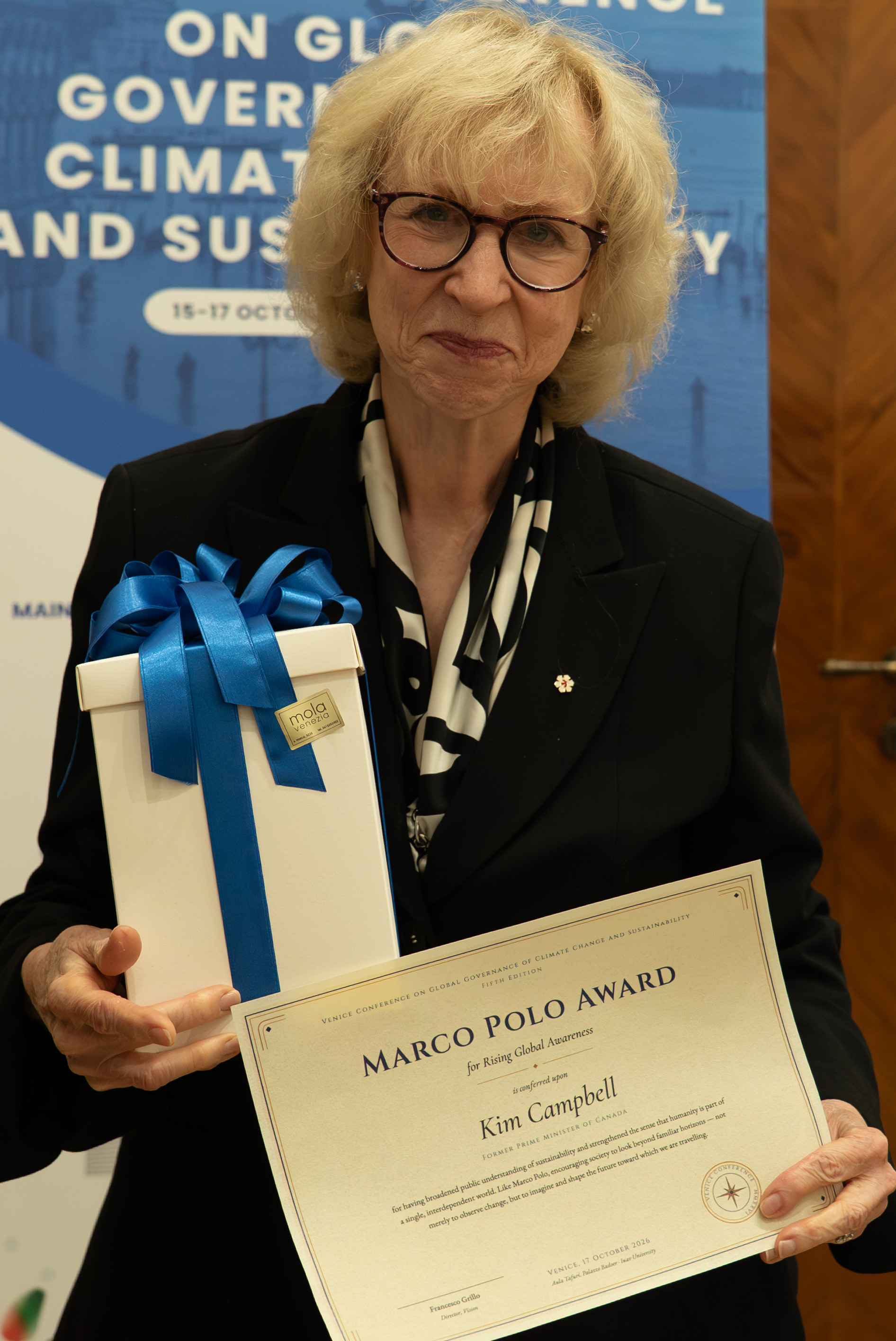
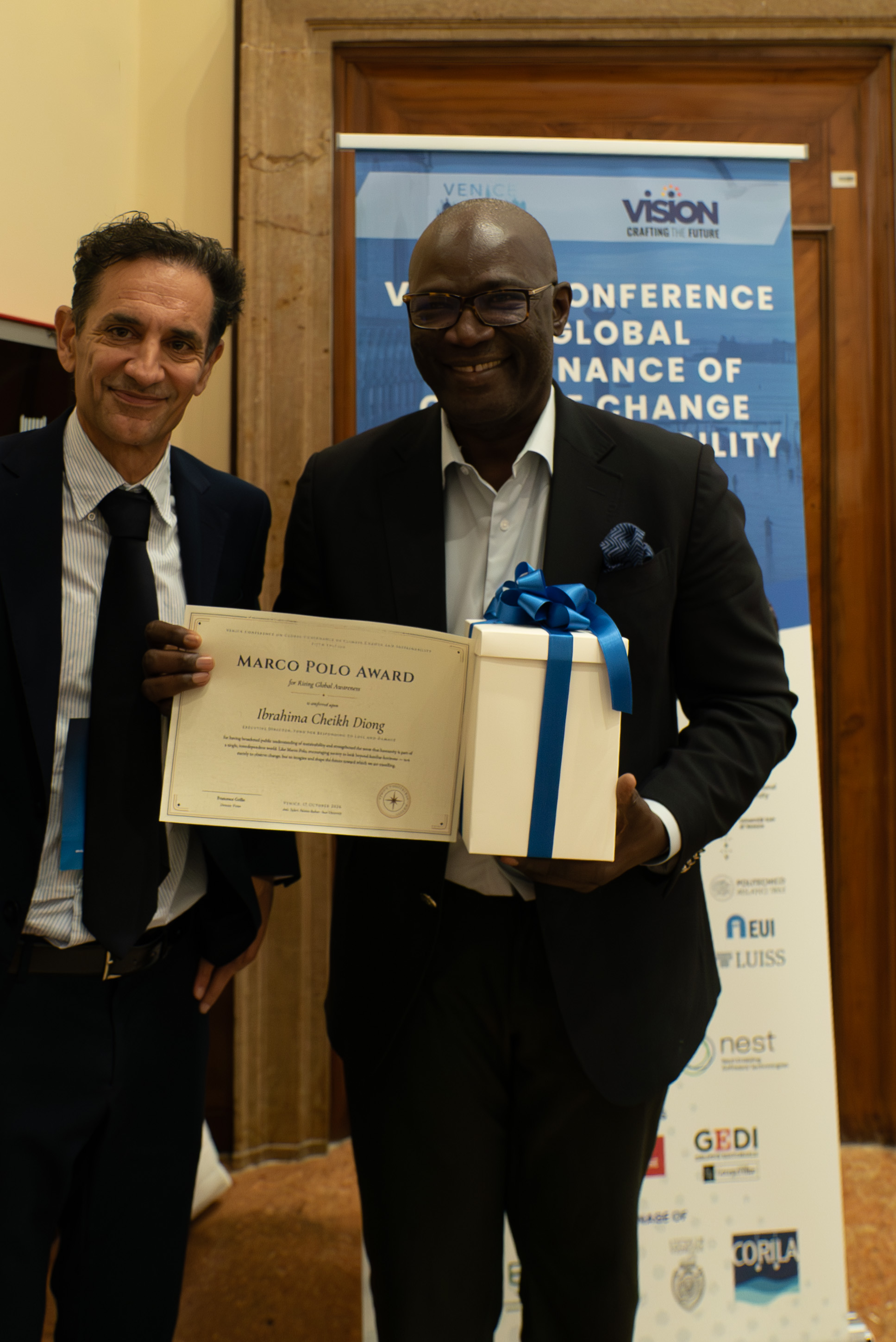
The conference brought together leading figures from government and international institutions. Among them were Kim Campbell, former Prime Minister of Canada; Ibrahima Cheikh Diong, Executive Director of the Fund for Responding to Loss and Damage, together with Andrey Shlyakhtenko and Sandra Romboli of the Fund; Enrico Giovannini, Professor at the University of Rome “Tor Vergata” and former Italian Minister of Infrastructure and Sustainable Mobility; Barbara Kolm, Member of Austria’s National Council and President of the Hayek Institute; Christophe Grudler, Member of the European Parliament; Elisa Venturini, Regional Minister for the Environment, Climate, Parks and Civil Protection of the Veneto Region; Jean Francis Sempore, Fundraising and Project Manager at WASCAL; Suruchi Bhadwal, Director of the Earth Science and Climate Change Division at TERI; and Frans-Anton Vermast, International Smart City Ambassador.
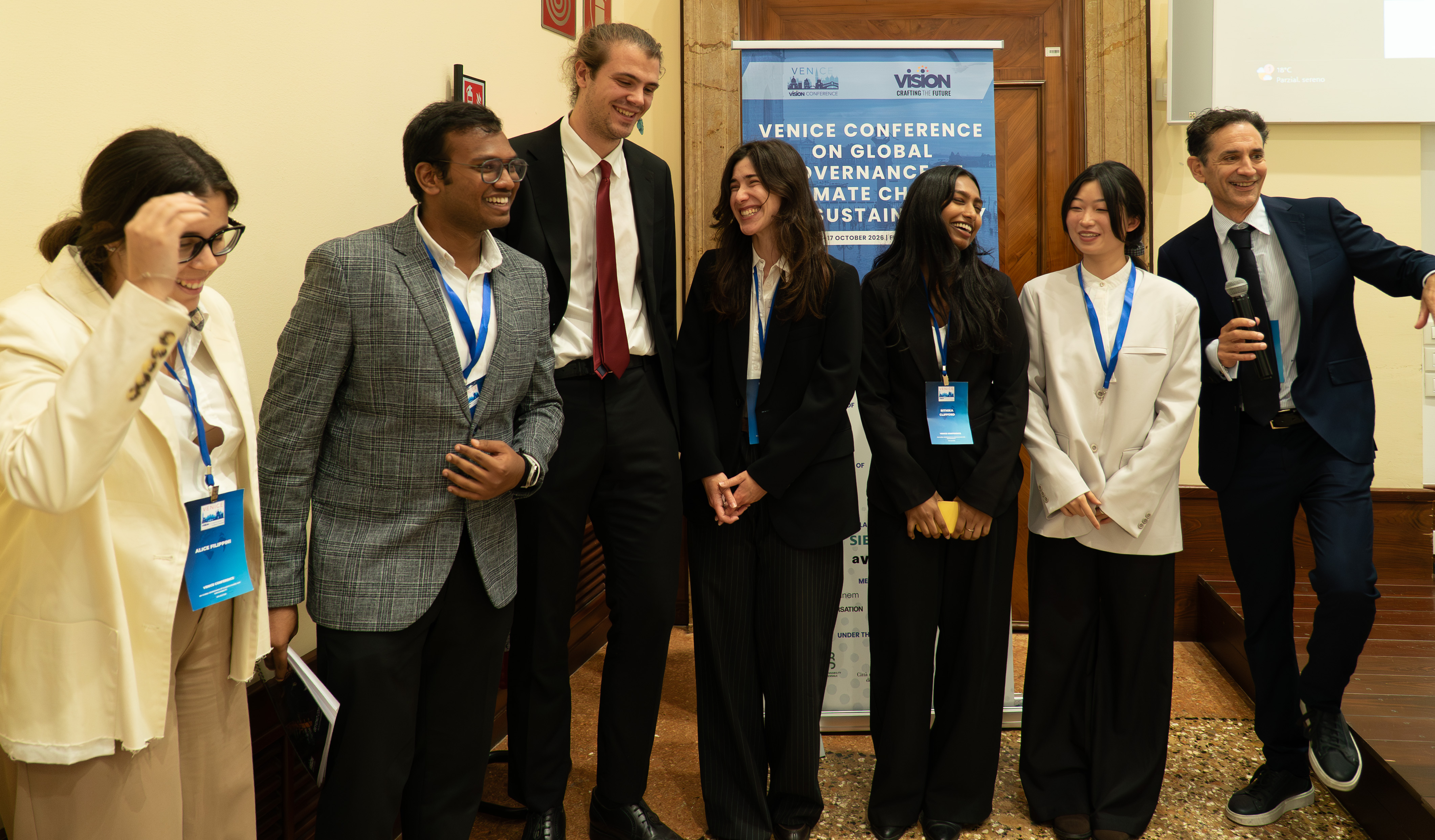
A broad community of researchers and policy analysts contributed with an interdisciplinary approach. Among them were Francesco Grillo, Director of Vision and Academic Fellow at Bocconi University, together with the Vision team: Francesca Stefani, Alice Filippini, Linus Wendel, Rithika Clifford and Shrikant Bacha. They were joined by think tank and policy experts including Bernardino León Reyes and Lucía de Castro from Avanza; Maja Groff, Executive Director and Convenor of the Climate Governance Commission; Benito Müller of Oxford Climate Policy; Hu Tao, Vice President of the Shanghai Tiangong Institute of Industrial Green Development; Li Yangyang of the Macao International Carbon Emission Exchange and Guangdong University of Foreign Studies; and Simone Gasperin of IPPR and UCAL.
Contributions also came from Carlo Carraro, former Rector of Ca’ Foscari University and former Vice-President of IPCC Working Group III; Marco Sgarbi, Rector of Ca' Foscari University; Alessandro Perego, Vice Rector for Sustainable Development and Societal Impact at Politecnico di Milano; Francesco Perrini, Associate Dean for Sustainability at SDA Bocconi School of Management; Matteo Di Castelnuovo, Professor of Practice in Energy Economics at SDA Bocconi; Vitaliano Fiorillo, Director of Invernizzi AgriLab at Bocconi, with Andrea Conconi; Simone Borghesi, Director of the Florence School of Regulation – Climate and Vice-Rector at the University of Siena; Kalypso Nicolaïdis, Chair in Global Affairs at the School of Transnational Governance at the EUI, with Jesse Scott, Jacopo Bencini and Andrew Wickoff; Phoebe Koundouri, Professor at the Athens University of Economics and the University of Cambridge; Colin Mayer, Emeritus Professor at the University of Oxford; Alexandra Borchardt, Honorary Professor at the TUM School of Management; Francesco Musco, Professor of Urban and Territorial Metabolism at Iuav, and Pierpaolo Campostrini, Managing Director of Corila; Filippo Magni and Jacopo Galli of Iuav; Gianfranco Pellegrino, Director of the AXA LUISS Lab on Climate Change, Risk and Justice; Silvia Menegazzi and Yelena Yermakova of LUISS Guido Carli; Liliana Śmiech, Márk Vargha and Ágnes Kovács Tahy of Ludovika University of Public Service; and Roy Cobby, PhD Candidate at King’s College London.
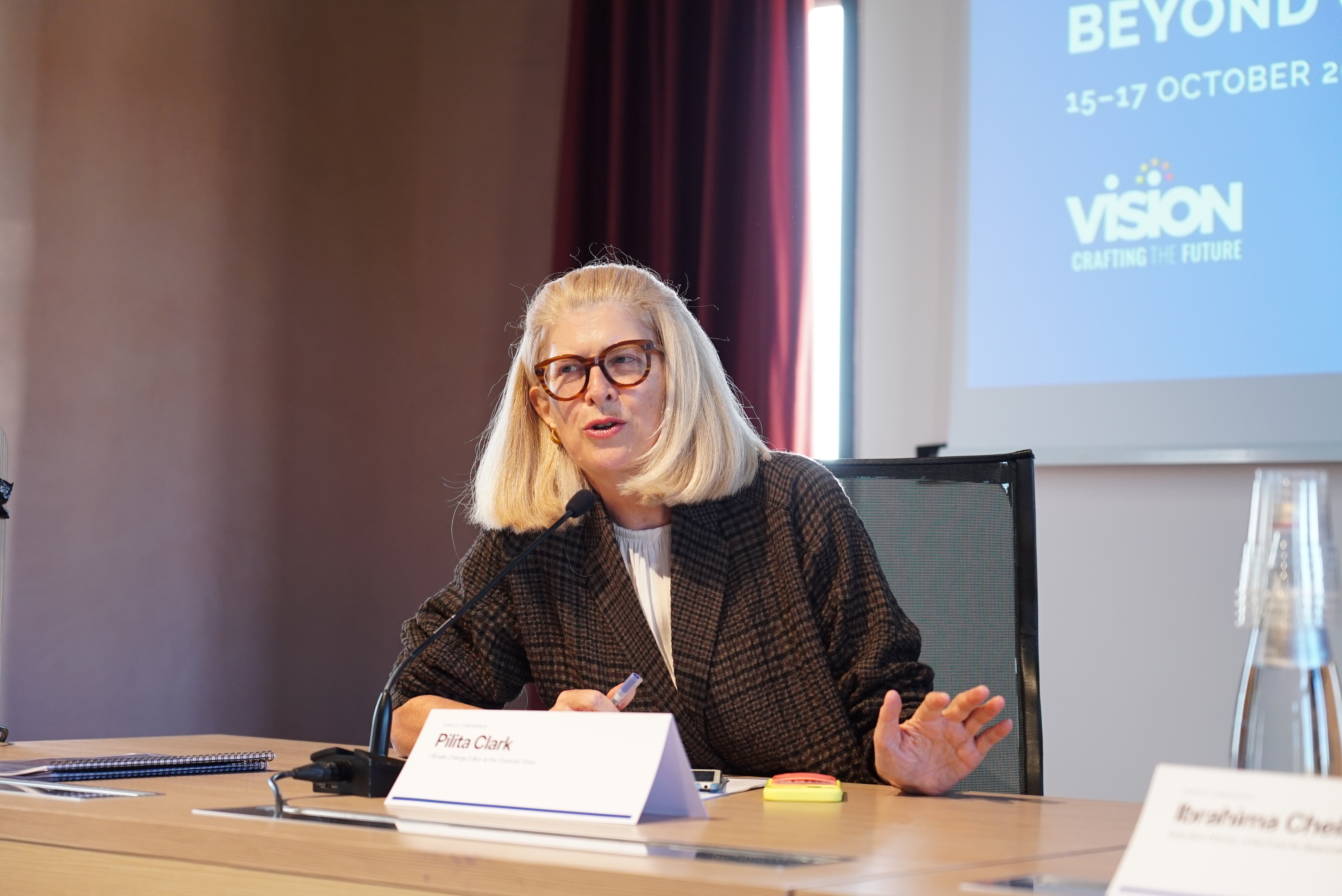
International journalists and editors helped disseminate the conference’s ideas to a broader audience. Among them were Pilita Clark (Financial Times); Oliver Morton and Matt Steinglass (The Economist); Laura Hood and Rachel Jolley (The Conversation); together with Andrea Gori, CEO of Illuminem.

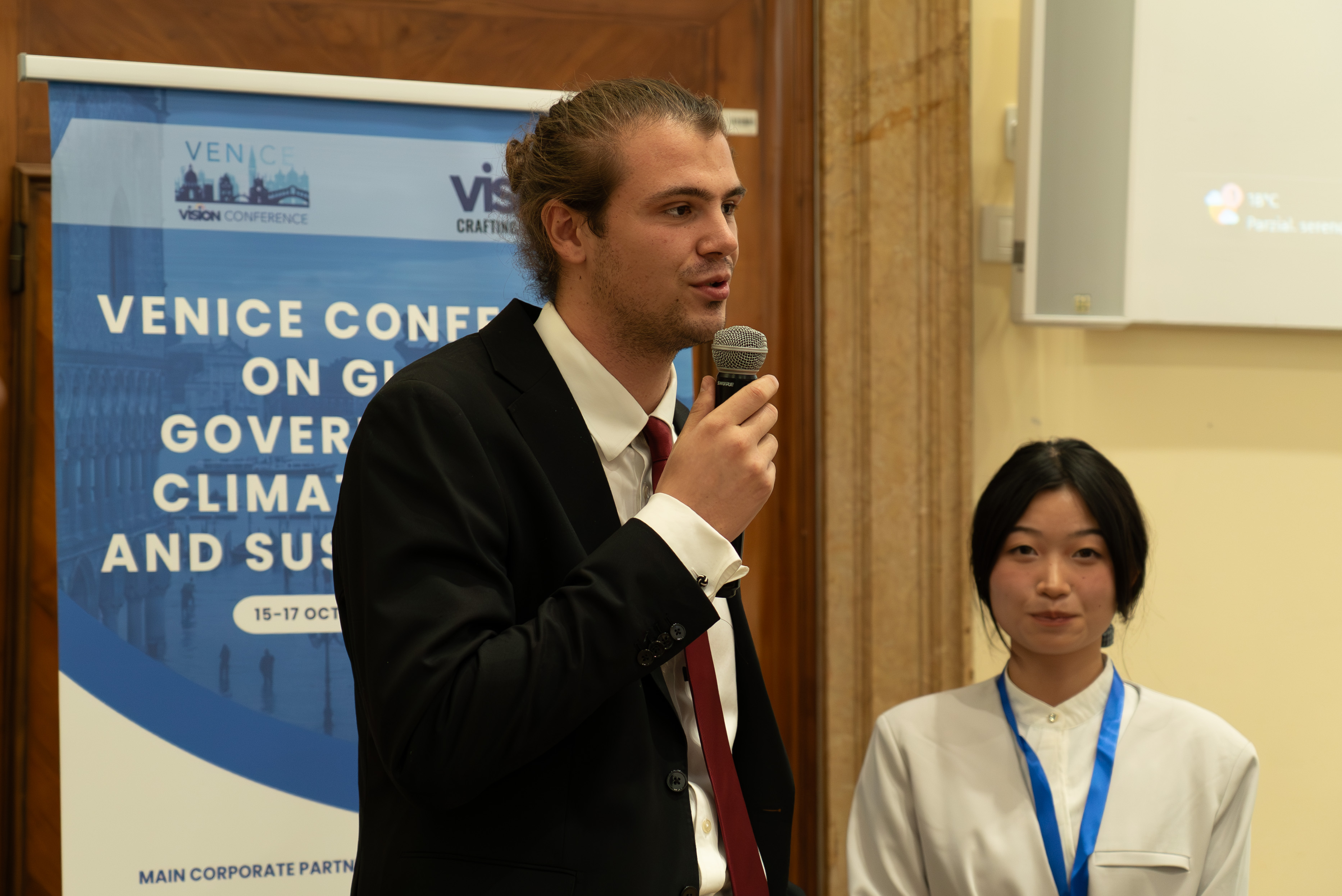
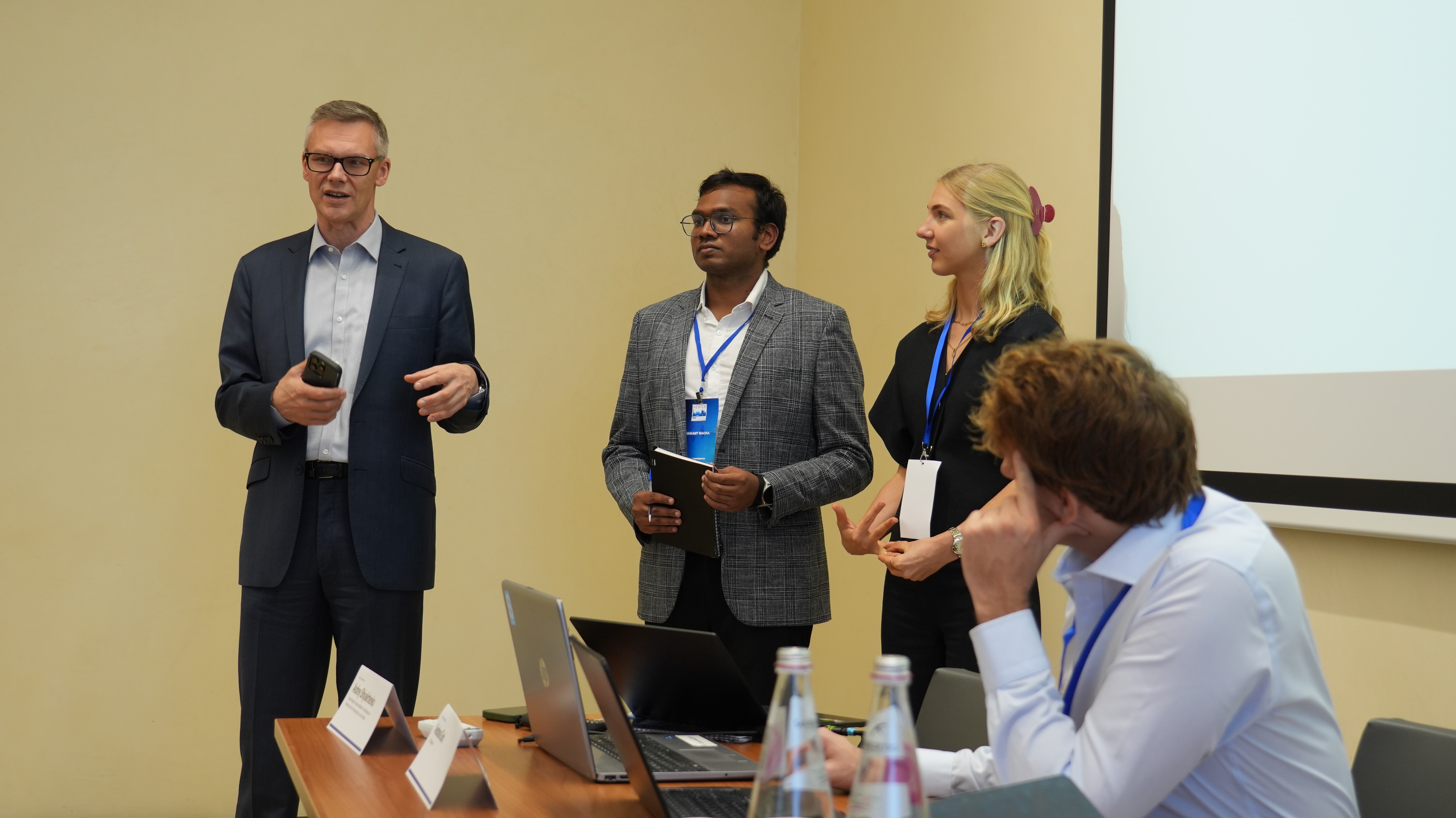
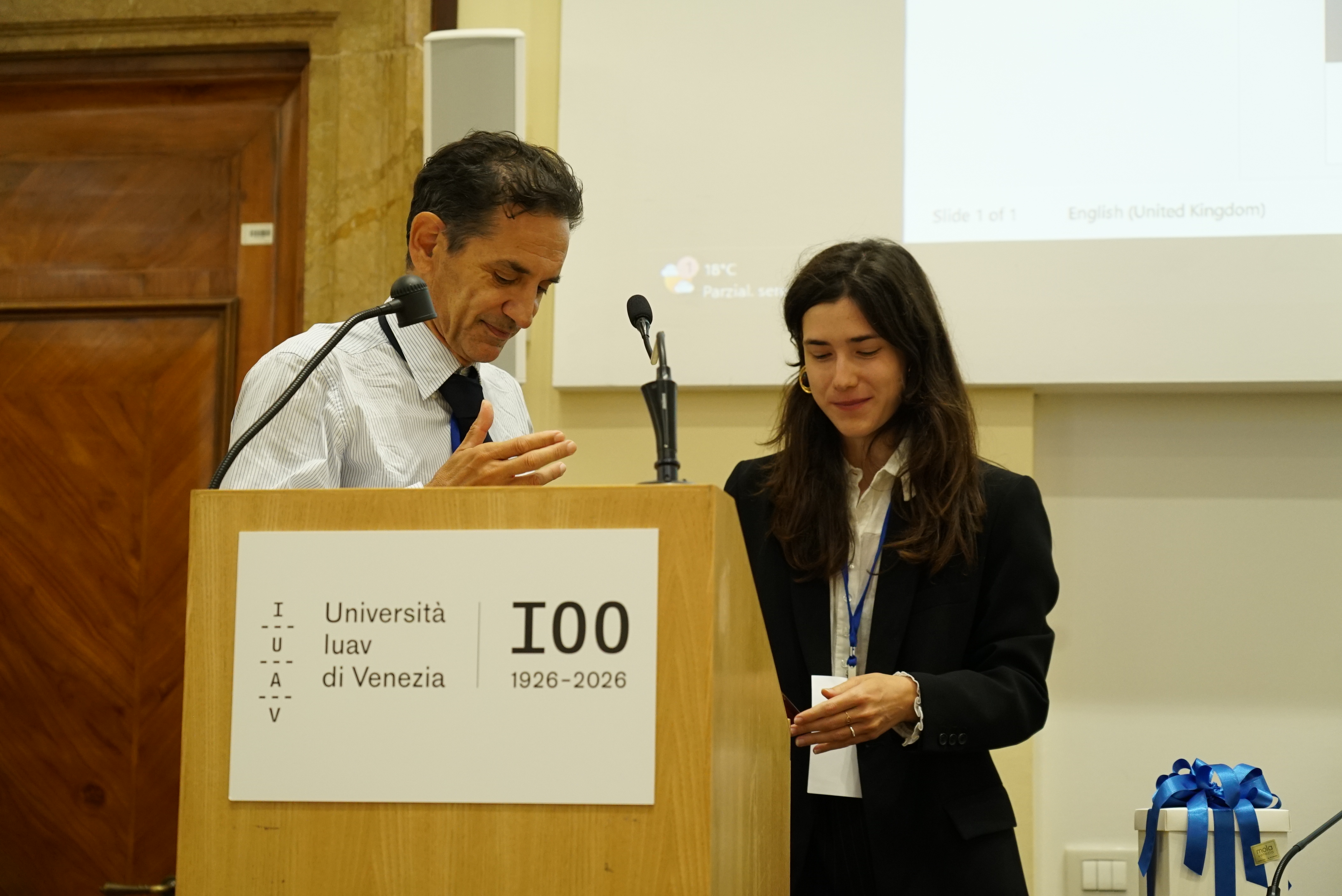
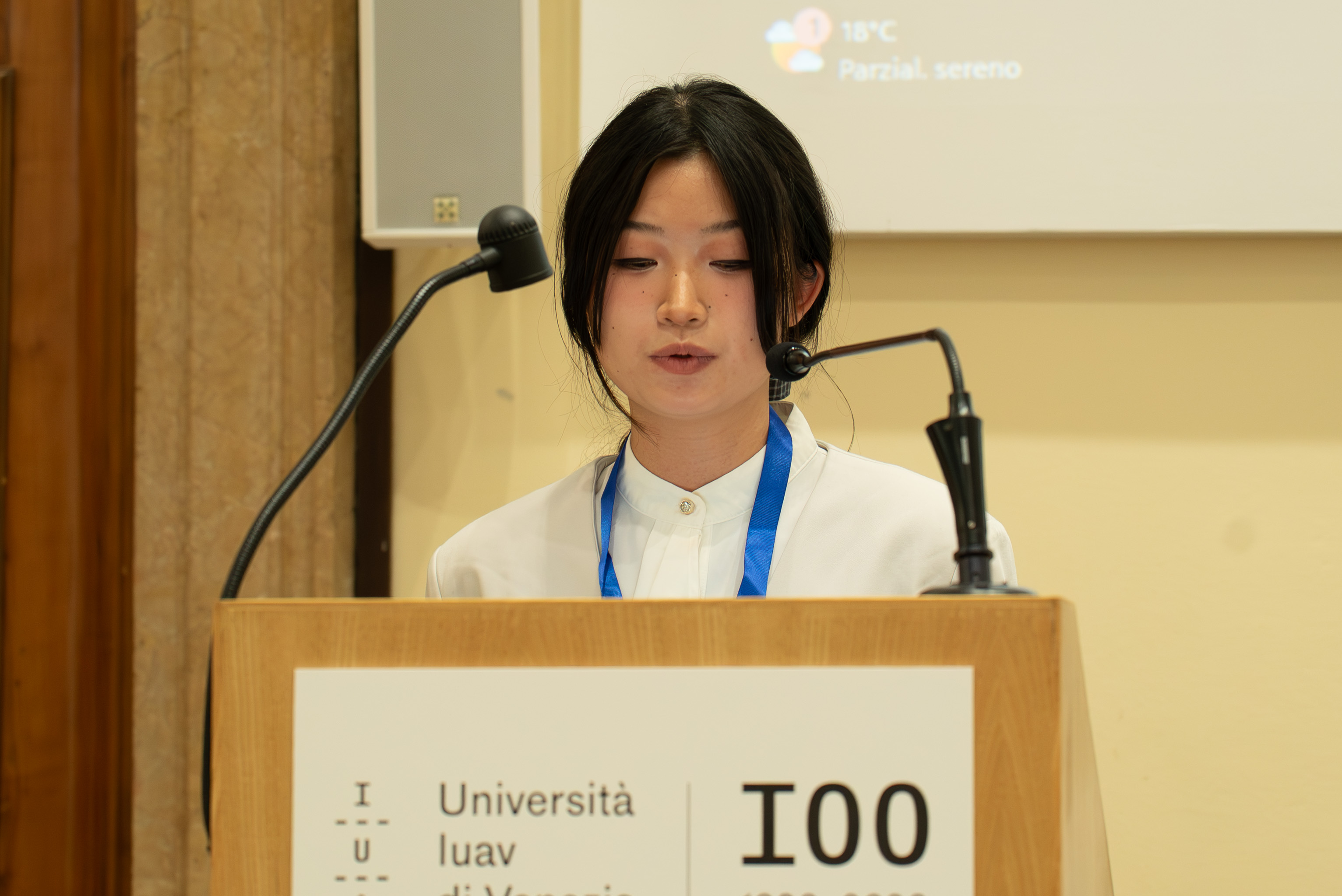
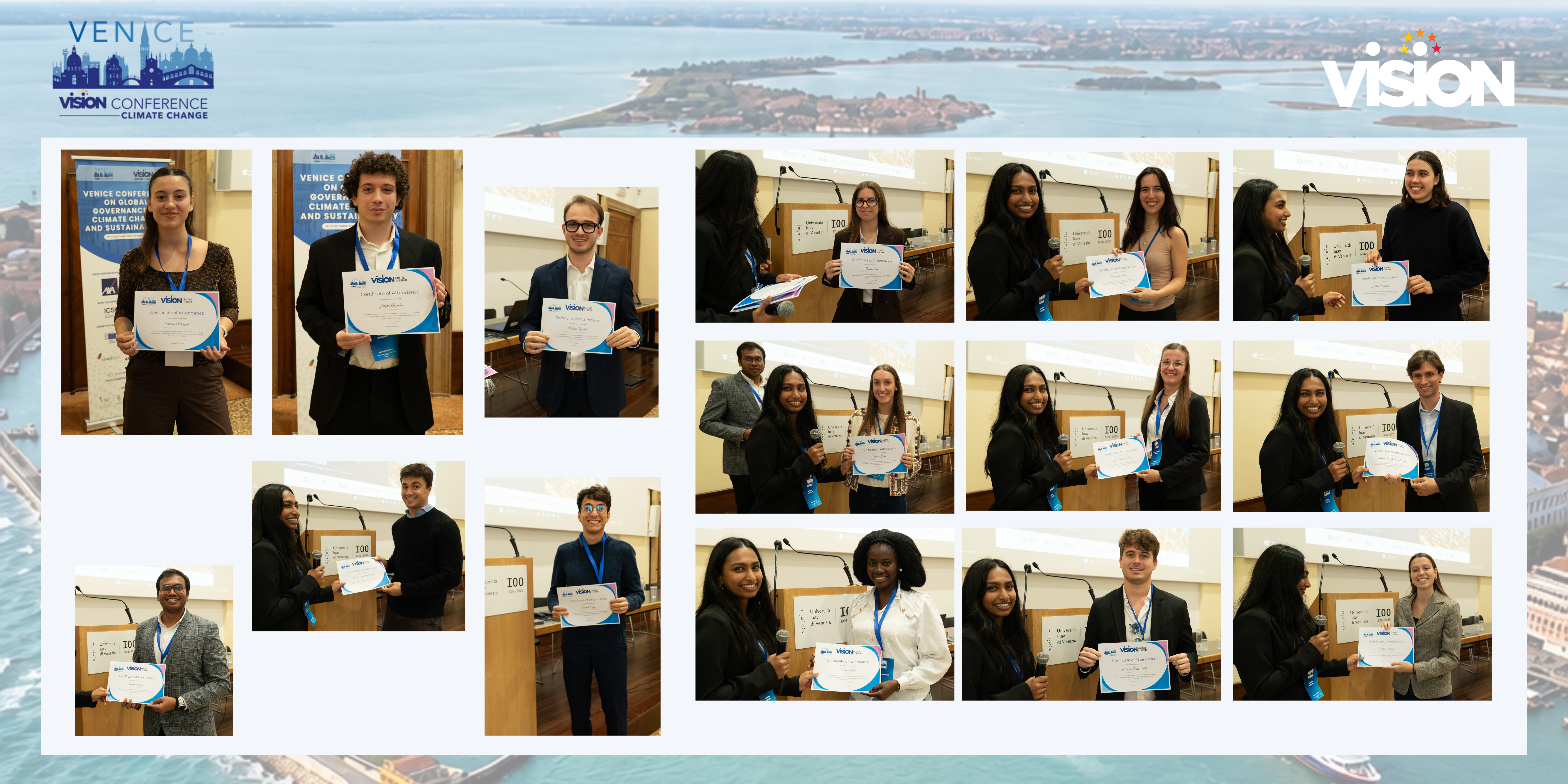
A key part of the conference was the active participation of students, who contributed with enthusiasm to the PSSGs, introducing the sessions and reporting on them.
Special thanks go to the Master’s students of Transformative Sustainability from Bocconi University and Politecnico di Milano: Caterina Morganti, Filippo Angiolini, Valerio Spiniello, Chiara Sena, Victoria Fiumi, Eleonora Andreoli, Vittoria Marino, Connor Mika Van Heulen, Jule Franziska Jessen, Gabriele Coppa, Gabriele Ghilotti, Mathieu Camille Lionel Echevin and Edoardo Pietro Sibilla.
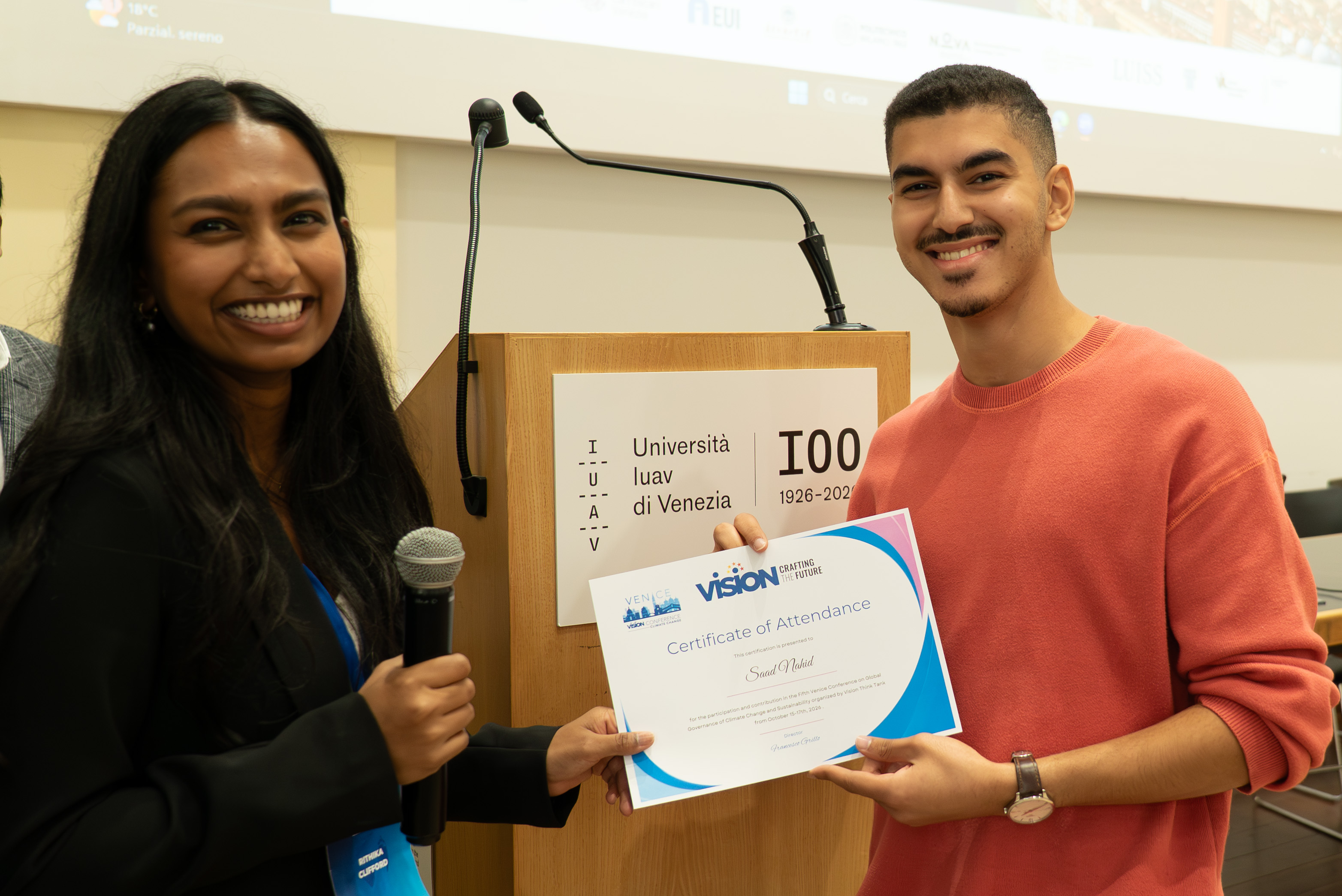
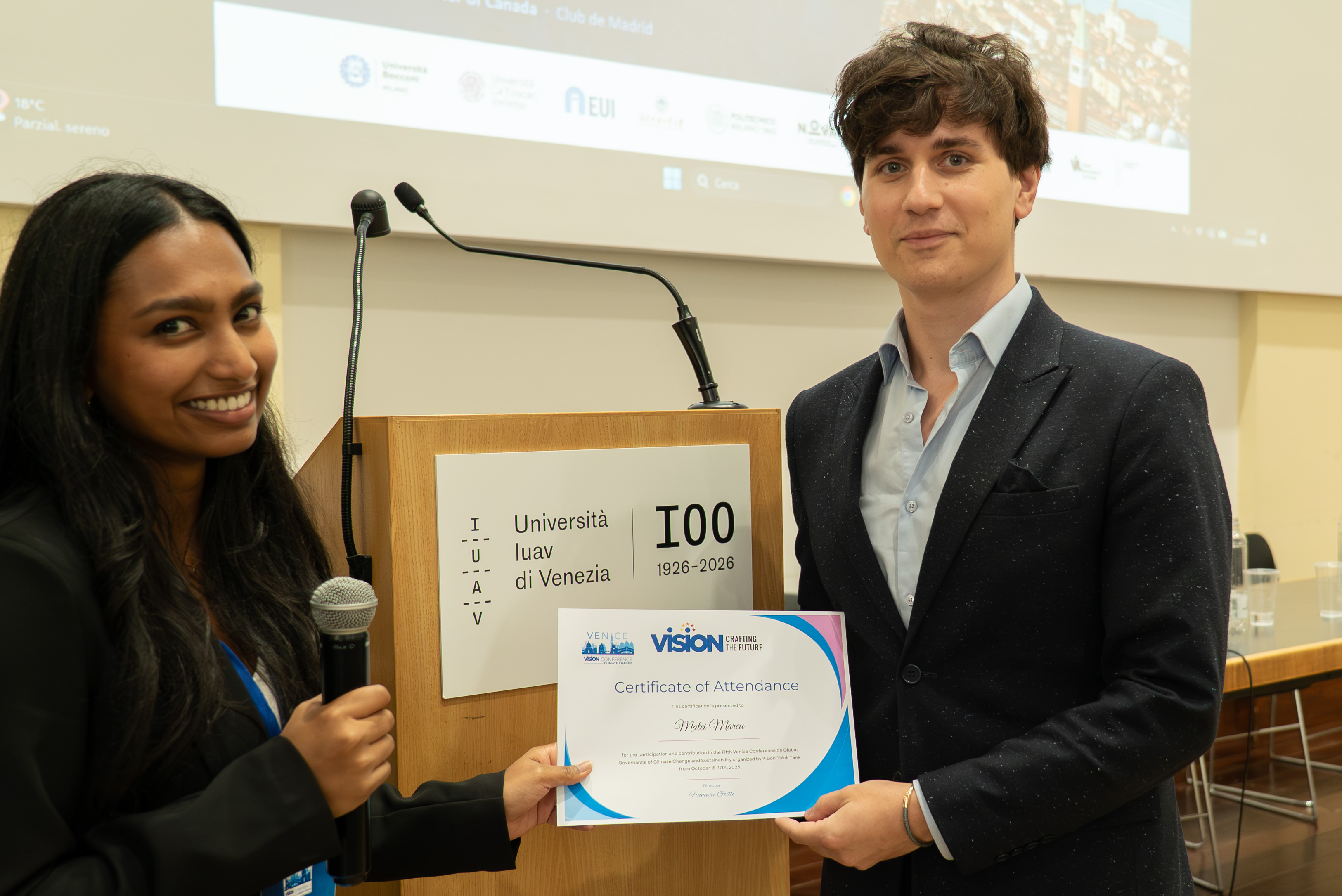
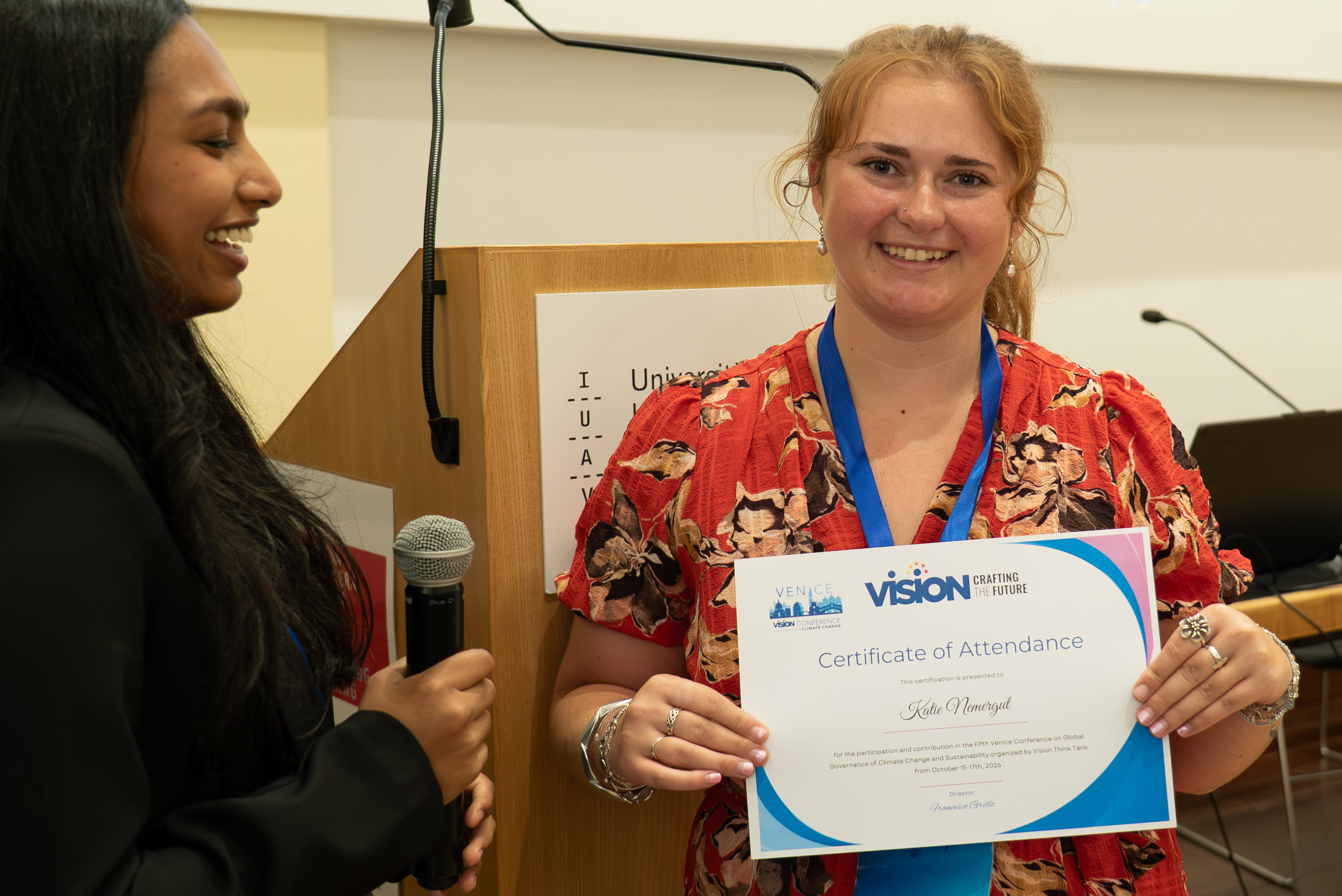
From the European University Institute, Master’s students of the Florence School of Transnational Governance: Fanta Darboe, Helena Marschall, Katie Nemergut, Matei Marcu, Saad Nahid and Yesi Xu.
SDA Bocconi was represented by Melody Dean, Federico Puteri, Katrina Davis, Shrikant Bacha and Rithika Clifford, and LUISS University by Leonardo Sannibale.
THE PARTNERS
Vision convenes the 5th Edition of the Venice Conference thanks to several partnership with important national and international institutions and actors.
Among the scientific partners, there are important academic and research institutions, including Guangdong University, Nova Business School, Università Bocconi, Politecnico di Milano, and LUISS, as well as the Venice-based universities: Università Iuav, Venice International University (VIU), and Università Ca' Foscari.
The founding partner of the Dolomite Conference is AXA.
The Media partners are: The Conversation, the global media agency that acts as a link between the best universities and the general public, illuminem, the global platform focused on sustainability and business, GEDI, one of the major Italian media groups with La Repubblica and La Stampa.
The 5th Venice Conference was honoured to receive the institutional patronage of the European Commission, the Metropolitan City of Venice, the Municipality of Venice, CORILA (Consortium for the Coordination of Research Activities Concerning the Venice Lagoon), the Venice Sustainability Foundation and RAI Veneto, contributing to the visibility of the initiative.
The recognition and support of these institutions highlight the significance of the Conference as a platform for international dialogue and cooperation.
The Conference was organised in collaboration with Siemens, Cereal Docks, Avanza, and NEST (Next Enabling Software Technologies), whose involvement reinforced the central role of the private sector in advancing sustainability and innovation.
The Conference also benefitted from the collaboration with Istituto per il Credito Sportivo e Culturale (ICSC).
The 5th Venice Conference on Global Governance of Climate Change and Sustainability is honoured to receive the Medal of the President of the Italian Republic, awarded as a prize of representation in recognition of this edition of the Conference.
Climate change is already hurting countries everywhere including those that had no part in causing it. But it is also an opportunity. Climate change reminds us that we share a planet, a global environment and a future still to be shaped. Few challenges push us so strongly towards solutions that go beyond borders and ideological confrontation. This is why work on sustainability is a moral imperative, and it is indispensable to do it with a method capable of crossing generations, countries, and professional languages.